
This collection of short fiction is a good entry point for the uninitiated
GN Bureau | March 18, 2024

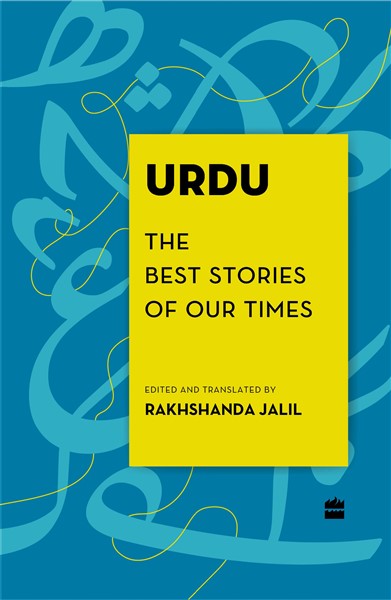
Urdu: The Best Stories of Our Times
Edited and translated by Rakhshanda Jalil
HarperCollins, 200 pages, Rs 399
 Urdu is a jubaan in a class of itself. In strict linguistic analysis, it shares a hyphenated identity with Hindi. Grammatically speaking, the only difference between the two is in lexicon, and yet words make all the difference. Socially speaking, it is altogether another world. Most would think it is the language of a particular community, even if some of the most respected authors now considered to be of Hindi literature wrote in Urdu script.
“Urdu: The Best Stories of Our Times”, edited and translated by Rakhshanda Jalil, showcases and celebrates all these multiples identities of the language. It presents a kaleidoscopic vision of the current literary landscape by bringing together some of the finest contemporary writers of short fiction in this language.
“This is a selection of the finest modern writings from India,” Dr Jalil, also a writer and literary historian, says. “When I began work on this book, I was clear that we mustn’t go by what has been most anthologized assuming that it is, necessarily, the finest – either among the genre of the Urdu short story itself or the oeuvre of a particular writer. No, instead the criteria for a collection such as this is good prose, a range of concerns, divergent points of view that, taken together, reflect the currents that ripple through modern India.”
The volume offers short stories of wide-ranging tones: compassionate, questioning, philosophical, whimsical, tragic, but always thrilling and enchanting in equal measure. They highlight the numerous histories, identities and themes that have been celebrated or challenged in the last few decades. It also seeks to dismantle many stereotypes and offers an exhilarating glimpse into Urdu literature today.
Since perceptions also build a part of the reality and Urdu is identified with (north Indian) Muslim community, some of the more recent stories in this collection help the rest of us look at the world around us from a less appreciated viewpoint as well. Dr Jalil, though, maintains, “Just as Urdu is not the language of India’s Muslims alone, these stories are not about Muslims only; instead, they reflect a mood, an outlook, a catholicity of concerns among Urdu writers.’
A case in point is parable-like “The Stone Age” by Gulzar, which has a universal canvass. But, then, there is also “What Happened on the Ship” by Anwar Qamar, which is closer to the headlines, and what remains hidden behind them.
There have been several ‘best-of’ short fiction collections from regional languages from various publishers, expanding the literary horizons of Indian readers. By definition, any selection is bound to be subjective, and bound to triggers discussions of inclusions and exclusions. In this case, the absence of Naiyer Masud is conspicuous, especially because his work would have added a shade rarely seen in Indian literature.
The Golden Chisel: The Story Behind the Making of Ram Lalla By Seethalakshmi S. and Rahul Nandan Rupa Publications, 168 pages, Rs 395
Mumbai’s real estate market keeps growing, yet homeownership remains out of reach for much of its population. Three experts – urban researcher Hussain Indorewala, urban planner Vidyadhar Phatak and developer Kamlesh Thakur of NAREDCO Maharashtra, agree that simply constructing more apartments
US secretary of state Marco Rubio has said he was unfamiliar with the Wall Street Journal report suggesting Elon Musk had decided to throttle Starlink services in Ukraine, but rejected claims that Washington had ordered the restrictions to pressure Kyiv. “There was no
Breast cancer has become a public-health challenge in India. The greatest opportunity is to find cancers earlier. Artificial intelligence (AI) is opening a new era in breast cancer detection. AI systems can analyse mammograms and other breast-imaging studies, identify subtle abnormalities and assist radi
Indian agriculture is experiencing significant climate volatility, while the world economy seems to be in a highly volatile situation. Economic indices from various countries show that they need to recalibrate their strategies to withstand economic headwinds. In such a challenging situation, a country li
India’s southwest monsoon ended with a 13% rainfall deficit in 2026, its weakest performance in a decade, raising concerns over agricultural production, water security and the upcoming rabi season. With El Niño expected to persist into early 2027, experts warn that declining soil moisture, dep










