

Arun Kumar | March 7, 2017 | New Delhi

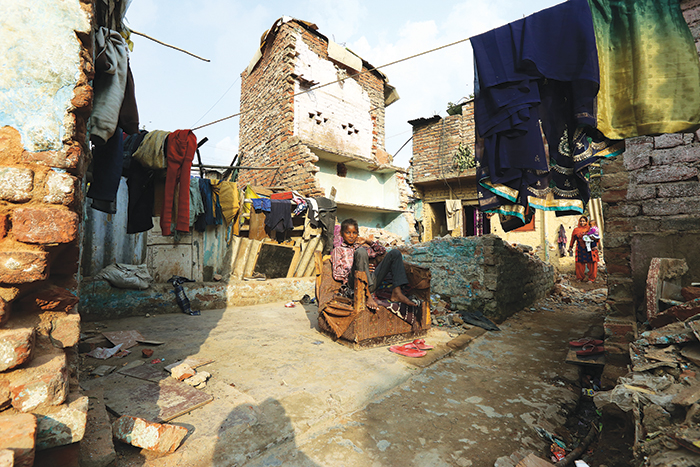
Kathputli Colony in Delhi is preparing to stage a final performance – a vanishing act. For over half a century it has been home to over 3,500 street performers – puppeteers, magicians, folk singers and acrobats. It will soon be replaced by multi-storey buildings and malls. Under the DDA’s in-situ slum rehab scheme under the PPP model, the slum-dwellers are shifting – or, as in recent weeks, being shifted using police force – to a transit camp. Construction will soon start for their modern homes in the same place. That sounds good, but the residents have little trust in authorities after years of government apathy. They feel that this promise of a bright future would not only snatch away their land but also their cultural heritage with it. Then, the colony will live on only in imagination – and in Salman Rushdie’s Midnight’s Children, in which it was referred to as the magicians’ ghetto.
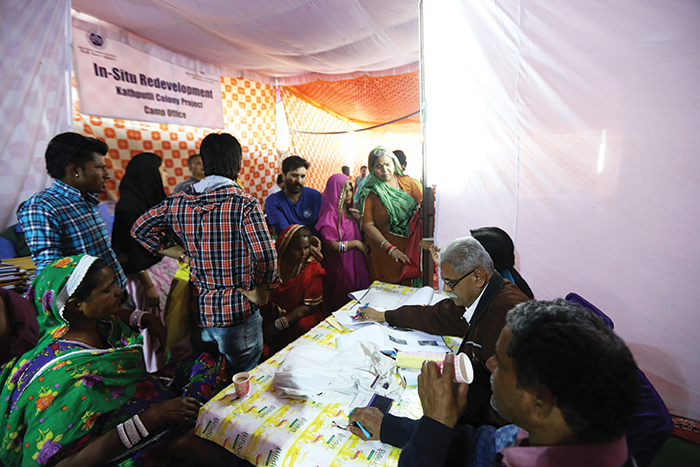
A DDA camp for residents to obtain a ‘parchi’ or eviction slip required to shift to the transit camp
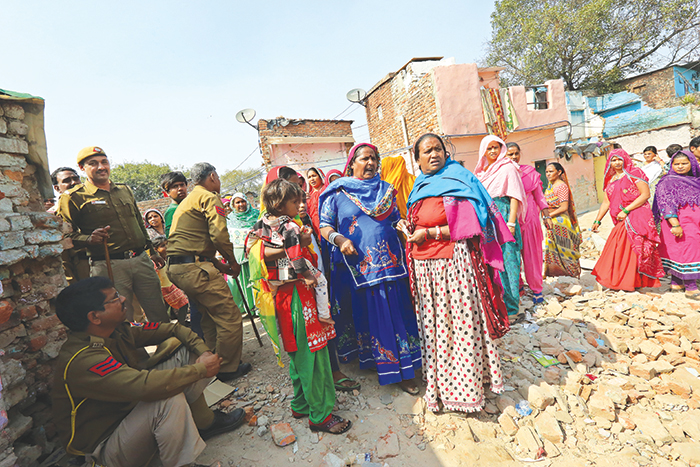
Heavy police deployment on the rubble-strewn streets of what remains of the colony. Residents say they feel intimidated
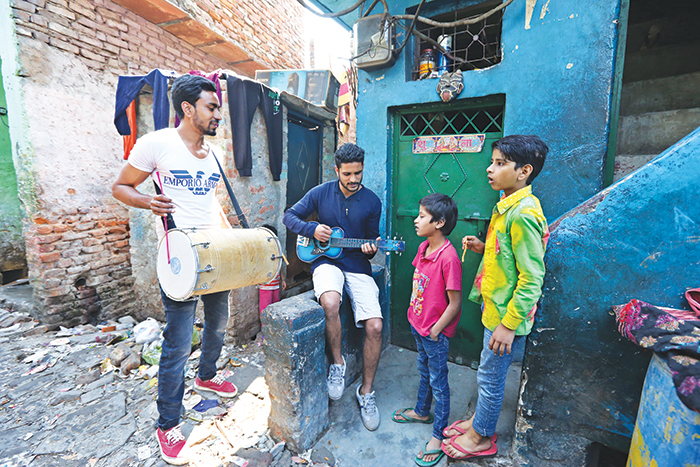
The colony is said to be the inspiration for the ‘magicians’ ghetto’ in Salman Rushdie’s 1980 novel, Midnight’s Children
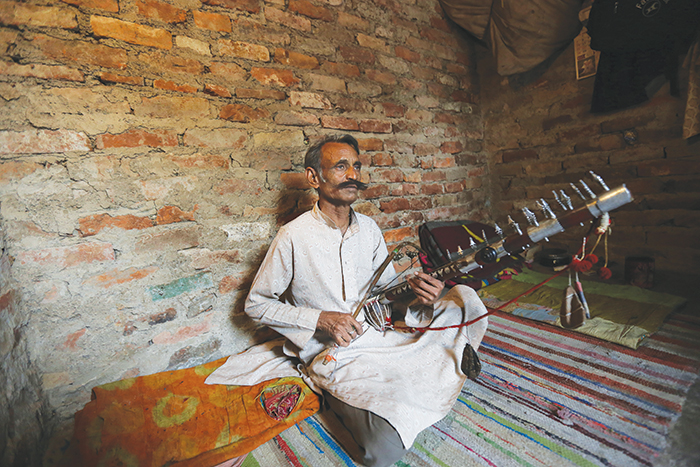
Kathputli Colony is said to be the largest colony of street artistes in the world
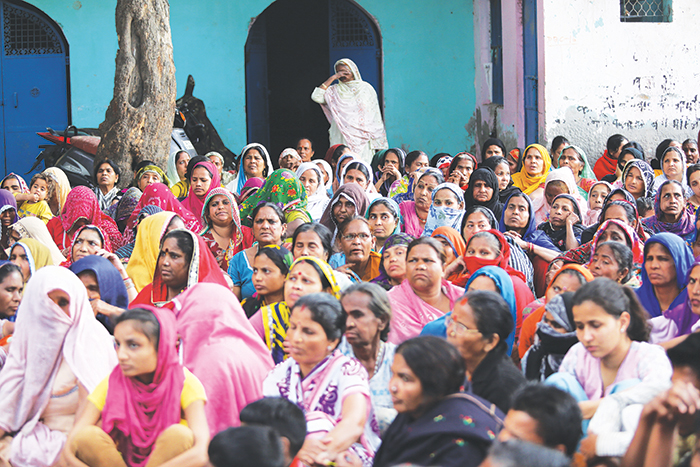
A ‘sabha’ organised by the residents to discuss the problems of the in-situ redevelopment scheme
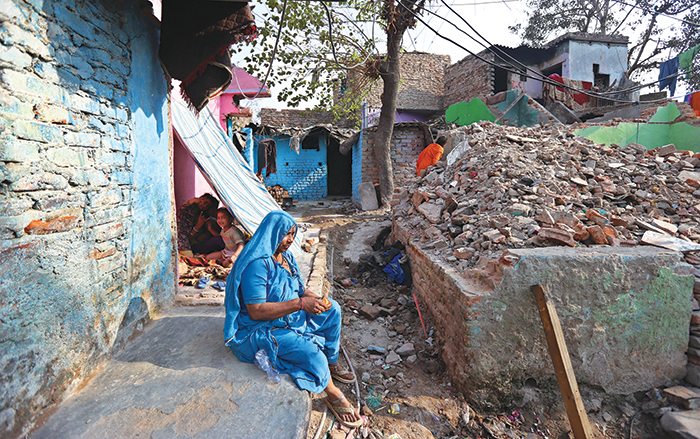
In hope of a better place to live in, a resident waits
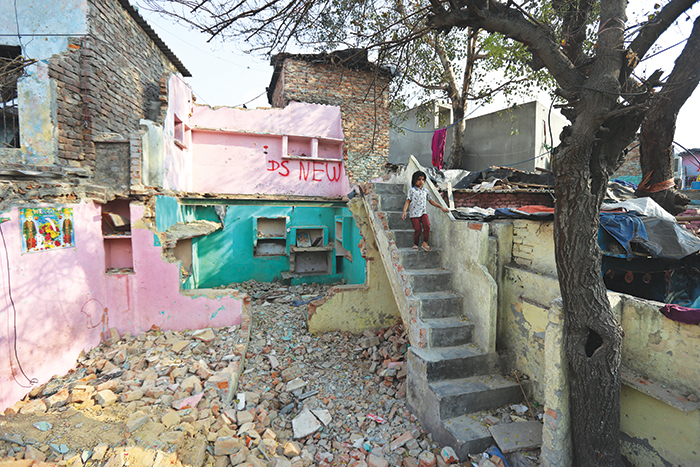
Houses of residents who have agreed to shift to a transit camp are marked ‘DS’ (direct shift)
(The photo story appears in the March 1-15, 2017 issue of Governance Now)
The Golden Chisel: The Story Behind the Making of Ram Lalla By Seethalakshmi S. and Rahul Nandan Rupa Publications, 168 pages, Rs 395
Mumbai’s real estate market keeps growing, yet homeownership remains out of reach for much of its population. Three experts – urban researcher Hussain Indorewala, urban planner Vidyadhar Phatak and developer Kamlesh Thakur of NAREDCO Maharashtra, agree that simply constructing more apartments
US secretary of state Marco Rubio has said he was unfamiliar with the Wall Street Journal report suggesting Elon Musk had decided to throttle Starlink services in Ukraine, but rejected claims that Washington had ordered the restrictions to pressure Kyiv. “There was no
Breast cancer has become a public-health challenge in India. The greatest opportunity is to find cancers earlier. Artificial intelligence (AI) is opening a new era in breast cancer detection. AI systems can analyse mammograms and other breast-imaging studies, identify subtle abnormalities and assist radi
Indian agriculture is experiencing significant climate volatility, while the world economy seems to be in a highly volatile situation. Economic indices from various countries show that they need to recalibrate their strategies to withstand economic headwinds. In such a challenging situation, a country li
India’s southwest monsoon ended with a 13% rainfall deficit in 2026, its weakest performance in a decade, raising concerns over agricultural production, water security and the upcoming rabi season. With El Niño expected to persist into early 2027, experts warn that declining soil moisture, dep










