
Once the largest river island in the world, Majuli has lost one-third of its landmass due to severe erosion by the Brahmaputra
Usha Dewani (indiawaterportal.org) | May 27, 2016

The Brahmaputra is the highest siltation-carrying river in the world, and controlling erosion caused by it is not easy. Because of its characteristics, it does not have a parallel with any other river in the world. Mythologically also, the Brahmaputra has always been a disturbed river, highly meandering, says Gunajeet Kashyap (ACS), election officer, Majuli. While many also regard the river as nature’s playground with shifting courses and meandering channels defining its very character, most would agree that the river in full spate is fierce, to say the least. Majuli is a large island on the Brahmaputra in Assam. Once ranked as the largest river island in the world, Majuli today has lost this position owing to severe erosion by the river. Originally 1,265 sq km, today the island has lost about a third of its landmass and only about 525 sq km of land remains stable. The island is culturally and spiritually significant and has been proposed as a World Heritage site. While the government has been trying to control erosion through different structural measures and crores of money, much of it is temporary and people continue living in limbo as huge chunks of earth continue to fall into the river.
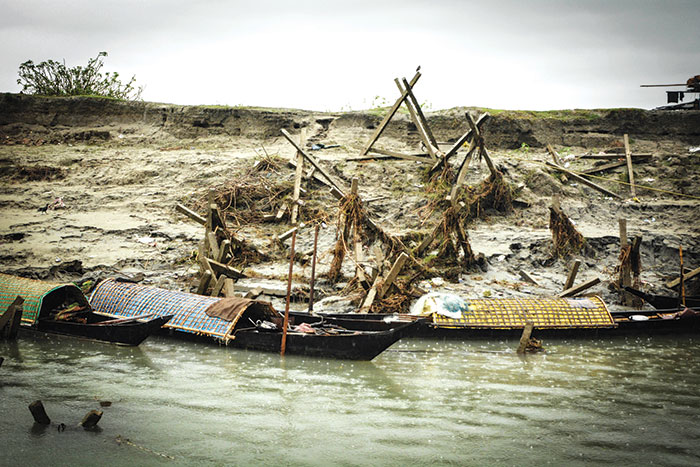
The island has gained about 24.67 sq km of land due to anti-erosion interventions carried out by the Brahmaputra Board. A whopping '275 crore has been spent on these measures in 10 years.
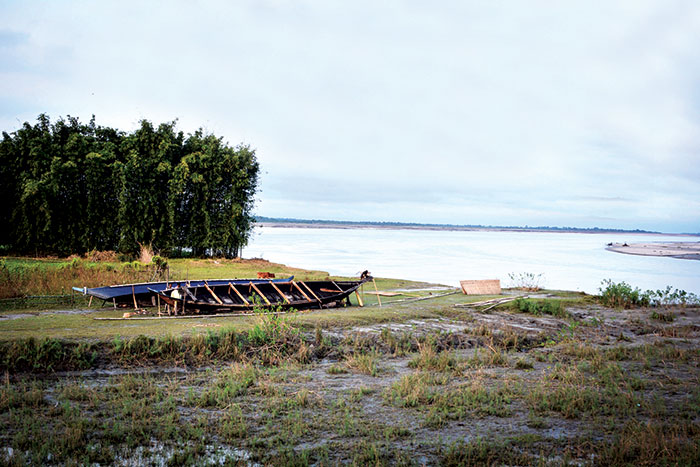
Boat-making is also an important occupation in this part of the island.
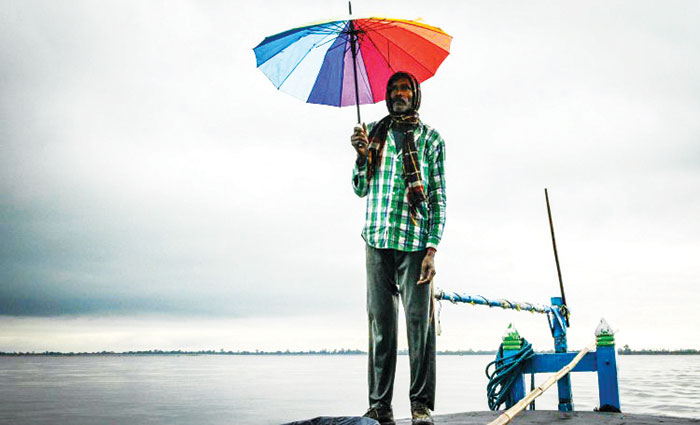
A boatman looks at the vast and furious Brahmaputra.
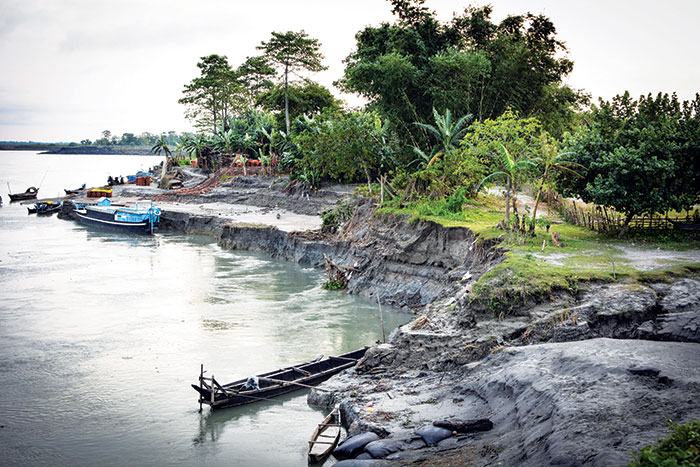
The Brahmaputra Board has constructed four boulder spurs at Salmora area to contain the erosion. Locals resent the move, as a portion of the spur itself has eroded, let alone protecting the area.
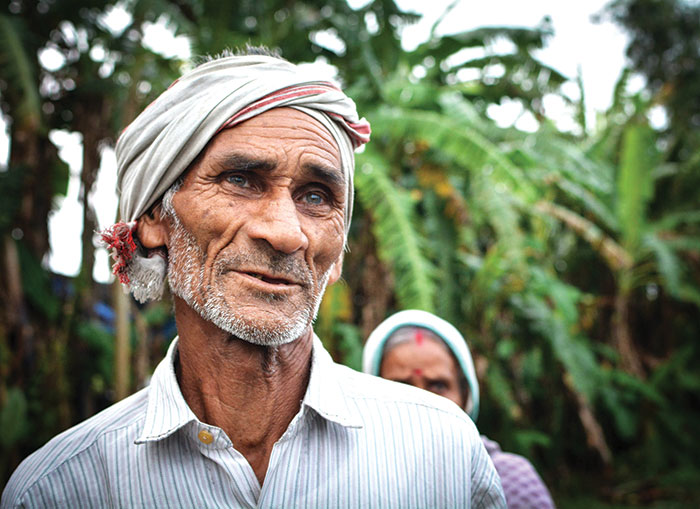
“I can’t sleep when the river keeps howling. You never know when the water will creep in. It is unimaginably scary,” says a potter at Salmora.
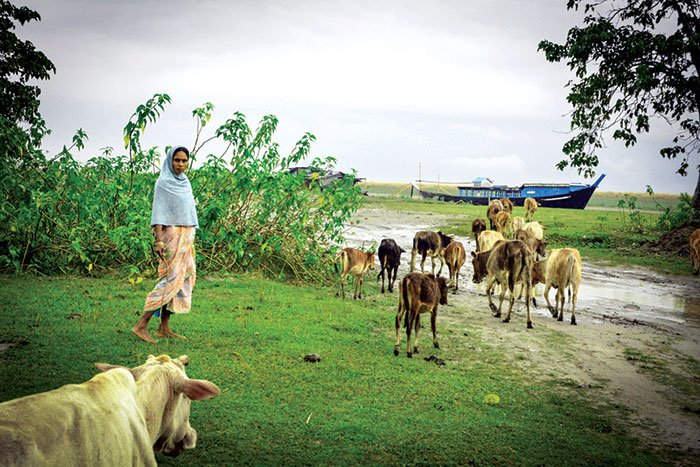
Women of Khorhola village informed that the ‘Chang’ (temporary raised bamboo platform built during floods) used to be built at a height of about 1.5 feet about 10-15 years back. Now it is built about three feet tall to keep people safe from the surging waters.
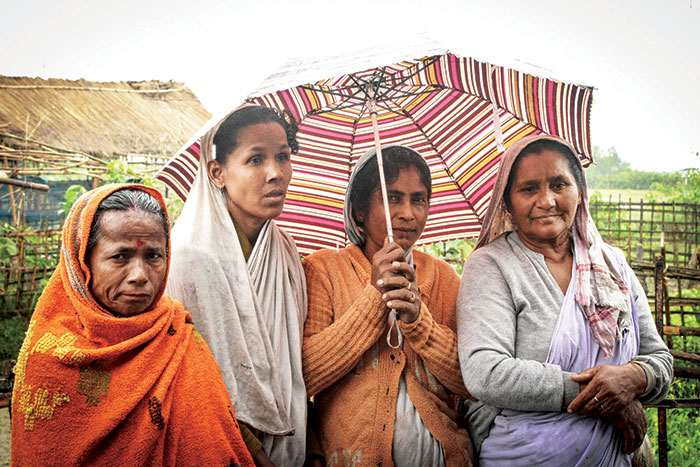
“We tie our children to our chests and move towards the embankment. Such times when the water comes gnawing at you are difficult to imagine. No toilets, and water everywhere. Where will you relieve yourself?” complains Patoli Das of Khorhola village, Majuli.
This photo essay by Usha Dewani was first published on India Water Portal (www.indiawaterportal.org)
For over a decade, India’s e-commerce story has rested on a simple premise: platforms connect buyers and sellers, while data fuels efficiency, personalisation, and scale. However, as the market matured, its structure has revealed a growing imbalance. E-commerce platforms, especially marketplace ent
The interaction between active Western Disturbances, increased atmospheric moisture and the region’s complex topography aswell as global warming are important factors behind intense rainfall in the Himalayas, leading to flash floods in Nepal, according to meteorologists. Nepal
Last summer, the two of us spent several weeks in rural Madhya Pradesh with a non-profit that works on gender justice through women’s self-help groups. We went in with a notebook full of laws. The Protection of Women from Domestic Violence Act. The Dowry Prohibition Act. Free legal aid for every wo
Digital payments have become a reflex for urban India, but the confidence earned in paying has not yet carried over to borrowing. That is the central finding of `How Urban India Pays Report 2026`, released by Pahlé India Foundation in collaboration with Amazon Pay. Based on a survey of 5,149 consu
Commerce and industry minister Piyush Goyal has called upon businesses in India and the United Kingdom to translate the opportunities created by the India-UK Comprehensive Economic and Trade Agreement (CETA) into expanded trade, investment, partnerships and job creation. Addressing the Bu
The Gandhian movement in India, after Gandhi’s death, failed, says Ramachandra Guha, and blames Vinoba Bhave for it. But the movement found new, fertile grounds around the world and succeeded in bringing about a change in South Africa, the US and elsewhere. It is high time it returned home. Of cour










