
Amidst rising complaints of poor food quality, Indian Railways has once again handed over catering services to the IRCTC. Can the corporation save the face this time?
Text by Vishwas Dass, Photos by Arun Kumar | May 23, 2017
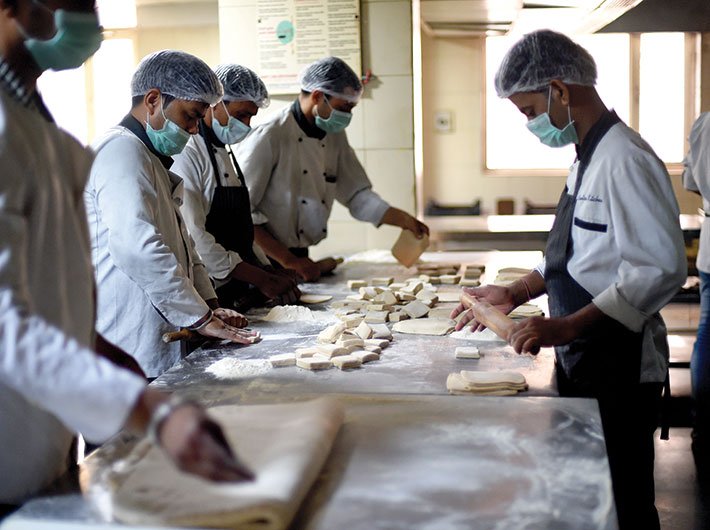
Poor quality”, “same menu since ages”, “unpredictable”, “not worth the money” – these are some of the terms used by regular train travellers to describe food served in the Indian Railways. After receiving several complaints by passengers on quality of food and overcharging, the ministry of railways circulated a price list of all food items sold on Indian Railways through its official Twitter handle on March 21. The NDA government has also introduced a new catering policy that seeks to address such problems.
Under the Catering Policy, 2017, the Indian Railways has once again given the job of handling food business to the Indian Railway Catering and Tourism Corporation (IRCTC). The corporation was handling the food affairs of railways from 2003. In 2010, however, the reins were snatched from its hands and given to the zonal railway units.
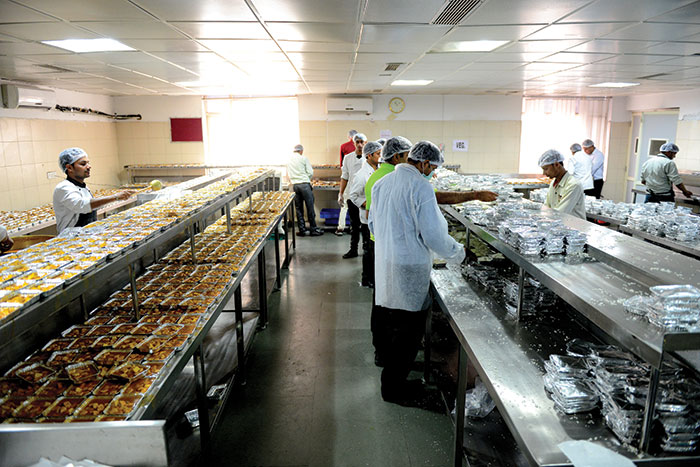
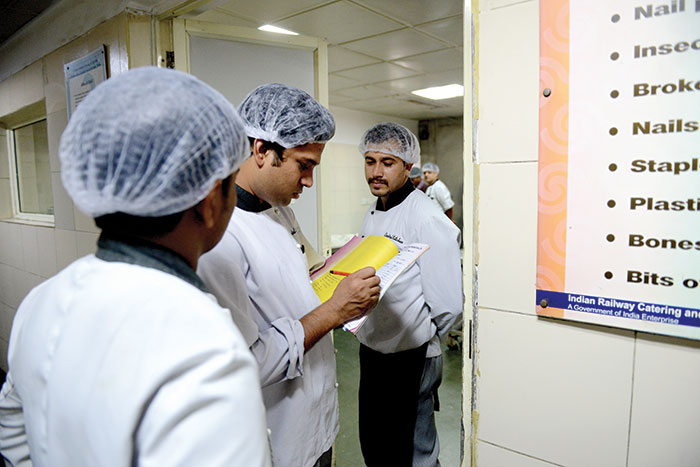
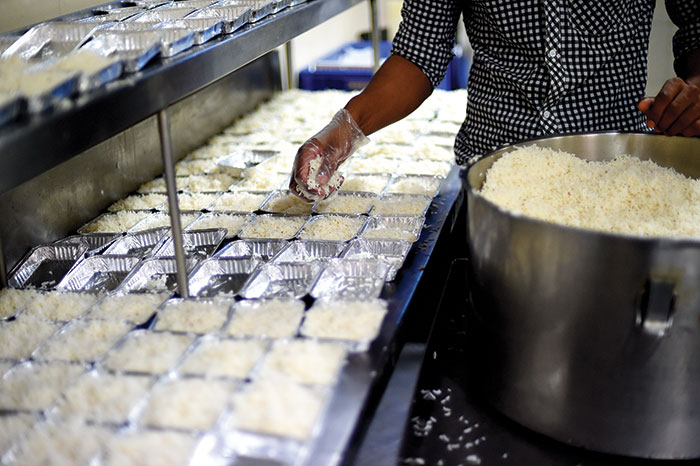
IRCTC’s first fully mechanised central kitchen was established in 2012 in Noida. Spread over a sprawling 43,000 sq feet area, it prepares around 10,000 meals per day
This frequent change of catering responsibility has drawn criticism from many. But this time, the ministry of railways seems convinced that the IRCTC will “yield fruitful results”.
The new policy, though good in its intent, is very much detached from the ground reality.
Unveiled after a gap of seven years, the new policy unbundles catering into two activities: food preparation by IRCTC and food distribution by private parties engaged by IRCTC.
Currently, the IRCTC serves food in 124 pair of trains, while the zonal railways look after 235 trains. The new policy mandates IRCTC to provide catering services to all 359 Rajdhani, Shatabdi, Duranto, mail and express trains across India.
In the first phase, 25 trains including Rajdhani and Shatabdi on the Delhi-Mumbai route have been chosen and 13 kitchen establishments on the said section have to be upgraded by the IRCTC.
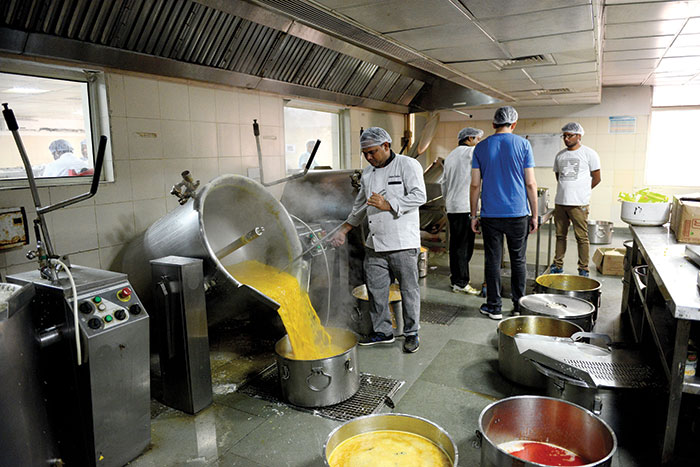
Food is prepared in ultra-modern equipment that require minimum human intervention
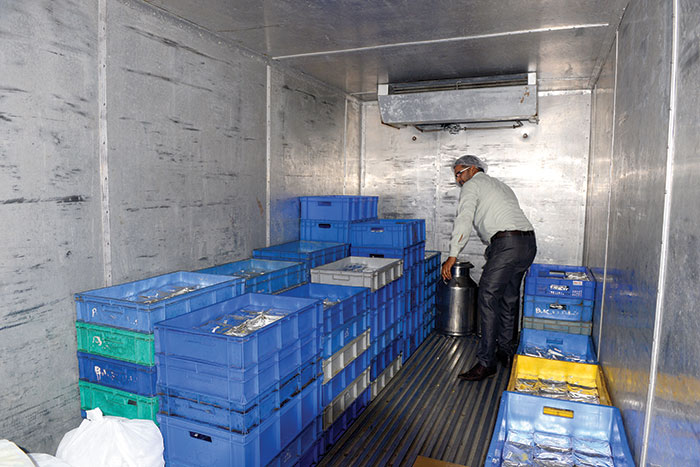
Apart from upgrading the kitchens, the catering corporation also has to set up around 100 mechanised base kitchens. At present, the railways and IRCTC run only five base kitchens located in Noida, Delhi, Ahmedabad, Patna and Mumbai. Cooked food from these kitchens is delivered to hundreds of trains.
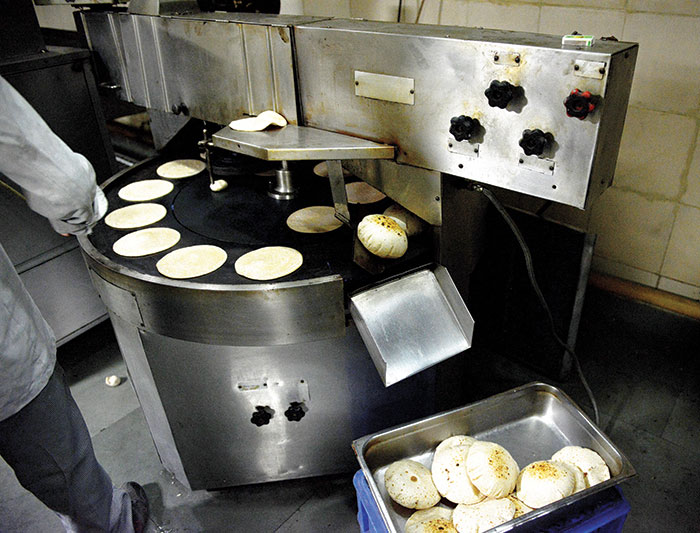
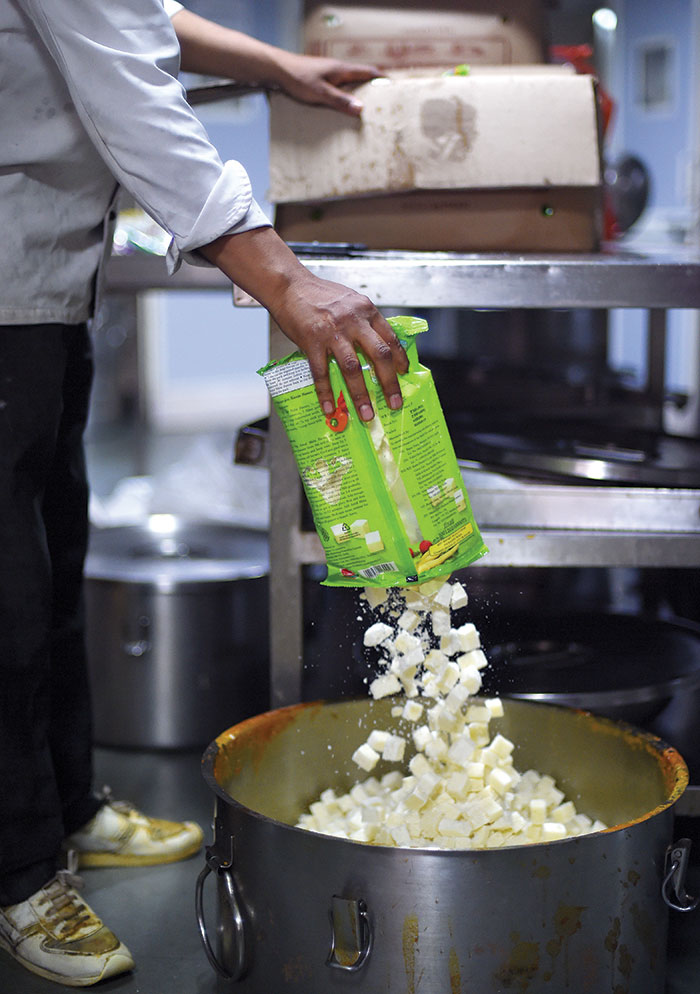
Equipment like Hackman Kettles, brat pans and ovens have been imported from Finland, Italy and France
The new policy has suggested that the proposed base kitchens would be set up on a public-private partnership model, yet it has not provided any clarity as to how the IRCTC would involve the private sector.
(The article appears in the May 16-31, 2017 issue of Governance Now)
Every pregnancy requires two people. Yet India`s family planning programme continues to ask only one of them to bear almost all of its medical consequences. The newly released National Family Health Survey-6 (2023-24) confirms just how entrenched this asymmetry remains: 36.5% of currently married women a
Delivering the IXth Chief Justice M.C. Chagla Memorial Lecture on ‘Human Rights and Sustainable Development Goals’, in Mumbai Friday, former Chief Justice of India Bhushan R. Gavai questioned whether conventional economic indicators such as gross domestic product (GDP), national income,
Seventeen years after the centre first approved the widening of National Highway 66 between Mumbai and Goa into a four-lane highway, a fresh RTI reply has revealed a sharp escalation in the project`s sanctioned cost. According to the RTI reply obtained by activist Jeetendra
Prime minister Narendra Modi on Thursday inaugurated SEMICON India 2026 in New Delhi. Addressing the occasion and highlighting the significance of the event`s fifth edition, the PM drew a parallel between the launch of Semicon India and Vishwakarma Diwas. He pointed out the beautiful coincidence of
The union cabinet, chaired by the prime minister, has approved the proposal of the Ministry of Labour & Employment to enhance the wage ceiling for mandatory coverage under the Employees’ Provident Fund Organisation (EPFO) from Rs.15,000 to Rs.25,000 per month. The decision is expected to bring
The new UPI framework introduced has no impact on any person to person transactions, and UPI will continue to remain completely free for all person-to-person transactions, irrespective of the amount transferred, the finance ministry clarified on Tuesday. Payments to merchan











