
People will now use Rs 2,000 notes to store wealth: Fitch

Supply chains have been disrupted and time spent queueing in banks has meant lost hours of productive work

GN Bureau | January 10, 2017

#black money   #money   #Fitch   #currency   #Rs 2000   #demonetisation   #RBI   #cash  
People will now use Rs 2,000 notes to store wealth: Fitch

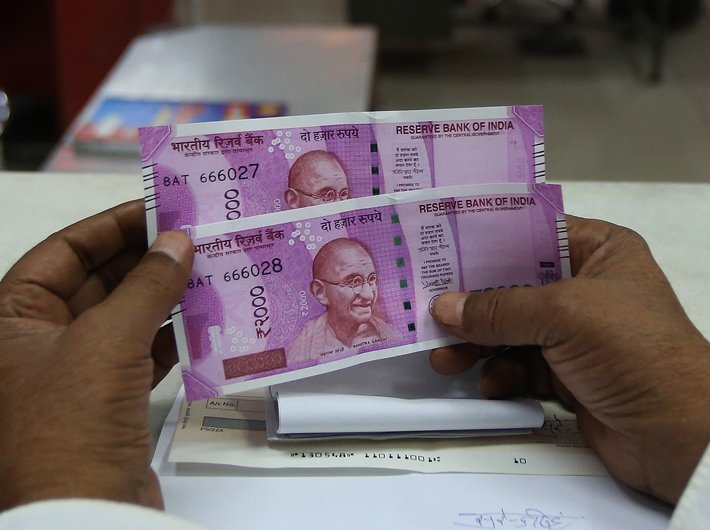
There are considerable uncertainties over the potential positive effects of demonetisation, said global ratings agency Fitch. “Most importantly, demonetisation is a one-off event. People that operate in the informal sector will still be able to use the new high-denomination bills and other options [like gold] to store their wealth.”
 
There are no new incentives for people to avoid cash transactions. The informal sector could soon go back to business as usual, it said on Tuesday.
 
The demonetisation of large-denomination bank notes has caused short-term disruption in India’s economy and led us to downgrade our growth forecasts for 2017. “The move has some potential benefits, but the positive effects are unlikely to be strong or last long enough to make a significant difference to government finances or medium-term growth prospects.”
 
The withdrawal of Rs 500 and Rs 1,000 currency notes has left consumers without the cash needed to complete purchases and farmers without the funds to buy seeds and fertiliser for the sowing season. “Supply chains have been disrupted and time spent queuing in banks has meant lost hours of productive work. The impact on the economy will increase the longer the disruption continues, but Fitch has already revised down its GDP growth forecast for the financial year ending 31 March 2017 (FY17) to 6.9% from 7.4%.”
 
It noted that demonetisation could boost government revenue to the extent that it helps to move economic activity from the informal to the formal sector, as more earnings would be declared. It is possible that this positive effect would soon outweigh the drag on revenue collection from lower short-term economic activity. Government finances may also benefit from a proportion of high-denomination notes not being traded. This potentially significant amount would be subtracted from the Reserve Bank of India’s (RBI) liabilities, and the authorities would have the option to transfer this windfall to the government.
 
There are similar uncertainties over the impact on the banking sector.
 
Some banks have already reported large increases in deposits since demonetisation began. A surge in low-cost funding might encourage credit growth and support the economy. However, demonetisation could also affect the ability of some borrowers, especially SMEs, to service their loans, with negative effects on bank asset quality. Moreover, the positive impact on funding conditions will depend on deposits remaining in banks beyond the next few months. There is nothing to prevent them being withdrawn again.
 
The intentions behind demonetisation were positive and in keeping with broader reform efforts, but the short-term pain might outweigh the uncertain long-term gains.
 

Comments


Other News

India faces critical shortage of skin donors amid rising burn cases

India reports nearly 70 lakh burn injury cases every year, resulting in approximately 1.4 lakh deaths annually. Experts estimate that up to 50% of these lives could be saved with adequate access to skin donations.   A significant concern is that around 70% of burn victims fall wi

Not just politics, let`s discuss policies too

Why public policy matters Most days, India`s loudest debates stop at the ballot box. We can name every major leader and recall every campaign slogan. Still, far fewer of us can explain why a widow`s pension is delayed or how a government school`s budget is actually approved. That

When algorithms decide and children die

The images have not left me, of dead and wounded children being carried in the arms of the medics and relatives to the ambulances and hospitals. On February 28, at the start of Operation Epic Fury, cruise missiles struck the Shajareh Tayyebeh school – officially named a girls’ school, in Minab,

The economics of representation: Why women in power matter

India’s democracy has grown in scale, but not quite in balance. Women today are active participants in elections, influencing outcomes in ways that were not as visible earlier. Yet their presence in legislative institutions continues to lag behind. The Nari Shakti Vandan Adhiniyam was meant to addres

India will be powerful, not aggressive: Bhaiyyaji

India is poised to emerge as a global power but will remain rooted in its civilisational ethos of non-aggression and harmony, former RSS General Secretary Suresh `Bhaiyyaji` Joshi has said.   He was speaking at the launch of “Rashtrabhav,” a book by Ravindra Sathe

AI: Code, Control, Conquer

India today stands at a critical juncture in the area of artificial intelligence. While the country is among the fastest adopters of AI in the world, it remains heavily reliant on technologies developed elsewhere. This paradox, experts warn, cannot persist if India seeks technological sovereignty.


Archives

Current Issue

Opinion

Facebook Twitter Google Plus Linkedin Subscribe Newsletter

Twitter






