As the Covid-19 situation continues to improve in India, the ministry of home affairs (MHA) has decided to continue the Guidelines for Reopening, which have already done away with nearly all of Lockdown restrictions in areas outside the containment zones.
The MHA issued an order Monday and extended the ‘Guidelines for Re-opening’, issued on 30.09.2020, to remain in force up to 30.11.2020. The key points of the latest order are:
Reopening of activities outside the containment zones
Since the issuance of the first Order on lockdown measures on March 24, almost all activities have been gradually opened up in areas outside the containment zones. While most of the activities have been permitted, some activities involving large number of people have been allowed with some restrictions and subject to SOPs being followed regarding health and safety precautions. These activities include: metro rail, shopping malls, hotel, restaurants and hospitality services, religious places, yoga and training institutes, gymnasiums, cinemas and entertainment parks among others.
In respect of certain activities, having relatively higher degree of risk of Covid infection, state/ UT governments have been permitted to take decisions for their reopening, based on the assessment of the situation and subject to SOPs. These activities include schools and coaching institutes, state and private universities for research scholars, and allowing gatherings above the limit of 100 etc.
After the last guidelines of September 30, the following activities are also permitted but with certain restrictions:
i. International air travel of passengers as permitted by MHA.
ii. Swimming pools being used for training of sportspersons.
iii. Exhibitions halls for Business to Business (B2B) purposes.
iv. Cinemas/ theatres/ multiplexes up to 50% of their seating capacity.
v. Social/ academic/ sports/ entertainment/ cultural/ religious/ political functions and other congregations, in closed spaces with a maximum of 50% of the hall capacity and subject to ceiling of 200 persons.
Further decision regarding the above activities will be taken based on the assessment of the situation, an official release said.
Covid-Appropriate behaviour
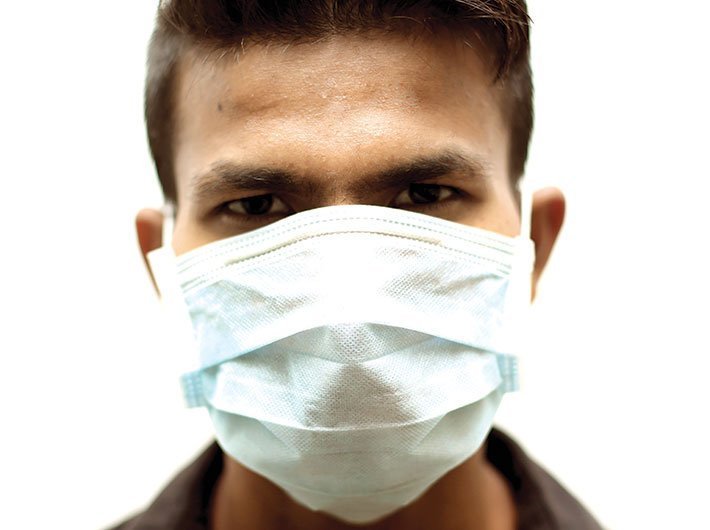
The essence behind graded reopening and progressive resumption of activities is to move ahead. However, it does not mean the end of the pandemic. There is a need to exercise abundant caution by adopting Covid-19 appropriate behaviour by every citizen in their daily routine. A ‘Jan Andolan’ was launched by prime minister Narendra Modi on October 8 on Covid-19 appropriate behaviour to follow three “mantras”, namely:
i. Wear your mask properly;
ii. Wash your hands frequently; and
iii. Maintain safe distance of 6 feet.
There is an urgent need to instil a sense of discipline and ownership amongst citizens in order that the resumption of activities is successful and gains made in the management of the pandemic are not diluted.
The MHA has already advised the chief secretaries/ administrators of all states/ UTs that they should endeavour to promote Covid-19 appropriate behaviour extensively at the grassroots level and take measures to enforce the wearing of masks, hand hygiene and social distancing.
National directives for Covid-19 management
National Directives for Covid-19 management shall continue to be followed throughout the country so as to enforce Covid-19 appropriate behaviour.
Strict enforcement of lockdown in containment zones till November 30
Lockdown shall continue to be implemented strictly in the containment zones till 30th November, 2020.
Containment Zones shall be demarcated by the district authorities at micro level after taking into consideration the guidelines of the health ministry with the objective of effectively breaking the chain of transmission. Strict containment measures will be enforced in these containment zones and only essential activities will be allowed.
Within the containment zones, strict perimeter control shall be maintained and only essential activities allowed.
These containment zones will be notified on the websites of the respective district collectors and by the states/ UTs and information will also be shared with the health ministry.
States not to impose any local lockdown outside containment zones
State/UT governments shall not impose any local lockdown (state/ district/ sub-division/city/ village level), outside the containment zones, without prior consultation with the central government.
No restriction on inter-state and intra-state movement
There shall be no restriction on inter-state and intra-state movement of persons and goods. No separate permission/ approval/ e-permit will be required for such movements.
Protection for vulnerable persons
Vulnerable persons, i.e., persons above 65 years of age, persons with co-morbidities, pregnant women, and children below the age of 10 years, are advised to stay at home, except for meeting essential requirements and for health purposes.