
Sebi to have two-track approach on ESG

Carbon credits can be traded, says market regulator chief Madhabi Puri Buch

geetanjali

Geetanjali Minhas | November 30, 2022 | Mumbai

#Environmental social and corporate governance   #ESG   #corporate governance   #Environment   #Sebi   #Madhabi Puri Buch  
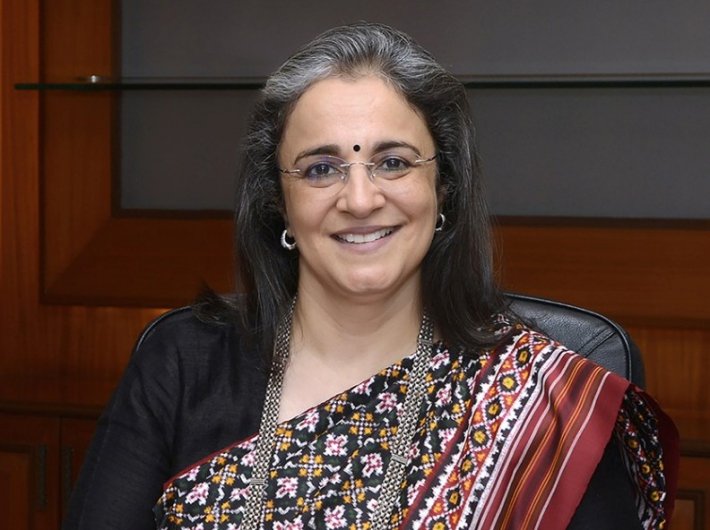
Sebi chairperson Madhabi Puri Buch

Securities and Exchange Board of India (Sebi) aims to use a two-track approach on environmental social and corporate governance (ESG).

Addressing a conference on ‘ESG for Atmanirbhar Bharat' in Mumbai, Sebi chairperson Madhabi Puri Buch said that that there should not be a single carbon credit market in the world. “There has been discussion around the globe which said that there should be a single carbon credit market. We believe that it is not necessarily correct… from the perspective of emerging markets and particularly low-cost economies because a carbon credit will become a commodity.”

Buch also asked why one should pay extra for locally generated resources when they are priced higher in the global market.

“It can be noted that improvements in processes and energy consumption to drive more efficiencies, generate carbon credit which are fungible instruments which can be traded,” said Buch.

“Sebi has been discussing this in various international fora that the important thing is to convert (energy) intensity on a purchasing power parity basis. That is something we should not lose sight at all,” she said.

The SEBI chairperson equated the commodity of carbon credits to currency and said that every sovereign should have the independence to deal with the credits as and how it deems fit. “It will be an important issue for us as a sovereign to maintain independence over our carbon credits in terms of how we want to deal with them,” she said.

In the transition, finance will be an essential constituent and global capital will have to support the needs of the planet, Buch said.

“The developed world led the conversation on environmental regulation and the developing nations only rallied with them,” she said, emphasising on the need for developing nations to set their own narratives.

The stock market regulator said the theme of environment, social and governance is still evolving. “It is very important for low-cost economies like India to have their independent views on what ESG means to them.”

Buch said that on ESG the first track will include large entities in the country’s ecosystem which are desirous of getting foreign capital and that they must align with global standards.

“Sebi envisages having ESG rating agencies. Assurance is also a very important function in the ESG journey and there is a need to have third-party auditors to take care of this aspect,” she said.

Adoption of the ESG framework by business enterprises is expected to strengthen sustainability and Net Zero objectives by businesses. Alignment of ESG measures with the Business Responsibility and Sustainability reporting (BRSR) mandate of Sebi for the top 1,000 listed companies will strengthen Indian corporate sector’s commitment towards sustainable goals and particularly in the context of COP27.

The event was organised by the ministry of environment, forest and climate change, National Productivity Council, DPIIT, MoC&I, GoI with Indian Potash Ltd.

Comments


Other News

RBI pauses to assess inflation risks, policy transmission

The Reserve Bank of India (RBI) has begun the new fiscal year with a calibrated pause, keeping the repo rate unchanged at 5.25 per cent in its April Monetary Policy Committee (MPC) meeting. The decision, taken unanimously, reflects a shift from aggressive policy action to cautious observation after a signi

New pathways for tourism growth

Traditionally, India’s tourism policy has been based on three main components: the number of visitors, building tourist attractions and providing facilities for tourists. Due to the increase in climate-related issues and environmental destruction that occurred over previous years, policymakers have b

Is the US a superpower anymore?

On April 8, hours after warning that “a whole civilisation will die tonight,” US president Donald Trump, exhibiting his unique style of retreating from high-voltage brinkmanship, announced that he agreed to a two-week ceasefire with Iran. The weekend talks in Islamabad have failed and the futur

Machines communicate, humans connect

There is a moment every event professional knows—the kind that arrives without warning, usually an hour before the curtain rises. Months of meticulous planning are in place. And then comes the call: “We’ll also need a projector. For the slides.”   No email

Why India is entering a ‘stagflation lite’ phase

India’s macroeconomic narrative is quietly shifting—from a rare “Goldilocks” equilibrium of stable growth and contained inflation to a more fragile phase where external shocks are beginning to dominate domestic policy outcomes. The numbers still look reassuring at first glance: GDP

Labour law in India: A decade of transition

The story of labour law in India is not just about laws and codes, but also about how the nation has continued to negotiate the position of the workforce within its economic framework. The implementation of the Labour Codes across the country in November 2025 marks a definitive endpoint in the process. Yet


Archives

Current Issue

Opinion

Facebook Twitter Google Plus Linkedin Subscribe Newsletter

Twitter






