
UK was always a bit different from Europe

UK and EU were like two reluctant spouses who had to part ways one day

aasha

Aasha Khosa | June 24, 2016 | New Delhi

#David Cameron   #Brexit   #European Union   #UK EU   #London  
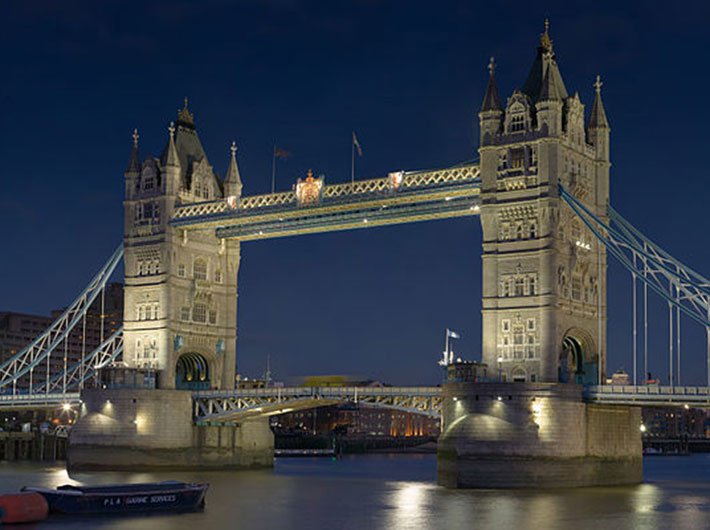
London bridge
London bridge

The rush of immigrants to Europe and harsh realities of global economy may be the trigger for the United Kingdom to seek a formal divorce from the European Union, but the differences and tensions between the two were visible to even a first time tourist like me.

 
It was about a decade ago, I had touched the Heathrow on my way back from a couple of European capitals. The first difference that struck me was the location of the driver’s seat – it’s on the right hand side of the car that would take us out of the magnificent airport.
 
“So, Aasha is going to drive us out,” said the driver of the SUV, when, he saw me quickly occupying my favourite front seat. I hadn’t realised that this was UK and not Europe. I was supposed to sit on the left hand side and not the right hand seat in the front.
 
Sheepishly, I shifted my seat and said, “Now, I feel at home.”
 
This was the first sign of UK not being like the rest of Europe. While rest of the Europe observed right hand driving rule, in the UK – much to the comfort of an Indian like me – it is the left hand drive.
 
I was beginning to make out that UK is part of the European Union but not quite like the rest of it.
 
I now realised the importance of a visa stamp on my passport from the UK embassy in Delhi. UK hadn’t joined the one-entry visa regime of the EU called Schengen visa. I had traveled across Europe on a single permit.
 
Next, while visiting markets, I was asked by shopkeepers to make payment in pounds and not the Euro. As we were advised, I had to do some haggling before they would accept the Euros that we were carrying for our visit.  Some of the shopkeepers refused to sell us good for Euro.
 
London, on the face of it was more cosmopolitan as one could see people with features typical of Africans, south Asians, Chinese, etc. while the European scene did not offer such variety of human faces.
 
I know the breakup between the UK and EU is a complicated issue for an Indian to comment upon. However, the only thing that I can say with surety is that they seemed to me like two reluctant spouses who had to part ways one day.
 

Comments


Other News

RBI pauses to assess inflation risks, policy transmission

The Reserve Bank of India (RBI) has begun the new fiscal year with a calibrated pause, keeping the repo rate unchanged at 5.25 per cent in its April Monetary Policy Committee (MPC) meeting. The decision, taken unanimously, reflects a shift from aggressive policy action to cautious observation after a signi

New pathways for tourism growth

Traditionally, India’s tourism policy has been based on three main components: the number of visitors, building tourist attractions and providing facilities for tourists. Due to the increase in climate-related issues and environmental destruction that occurred over previous years, policymakers have b

Is the US a superpower anymore?

On April 8, hours after warning that “a whole civilisation will die tonight,” US president Donald Trump, exhibiting his unique style of retreating from high-voltage brinkmanship, announced that he agreed to a two-week ceasefire with Iran. The weekend talks in Islamabad have failed and the futur

Machines communicate, humans connect

There is a moment every event professional knows—the kind that arrives without warning, usually an hour before the curtain rises. Months of meticulous planning are in place. And then comes the call: “We’ll also need a projector. For the slides.”   No email

Why India is entering a ‘stagflation lite’ phase

India’s macroeconomic narrative is quietly shifting—from a rare “Goldilocks” equilibrium of stable growth and contained inflation to a more fragile phase where external shocks are beginning to dominate domestic policy outcomes. The numbers still look reassuring at first glance: GDP

Labour law in India: A decade of transition

The story of labour law in India is not just about laws and codes, but also about how the nation has continued to negotiate the position of the workforce within its economic framework. The implementation of the Labour Codes across the country in November 2025 marks a definitive endpoint in the process. Yet


Archives

Current Issue

Opinion

Facebook Twitter Google Plus Linkedin Subscribe Newsletter

Twitter







