
‘The Greatest Books of Ancient India’ introduces young readers to a selection of shastras
GN Bureau | May 31, 2026

The Greatest Books of Ancient India: Incredible Ideas about Science, Music, Maths, Art and More
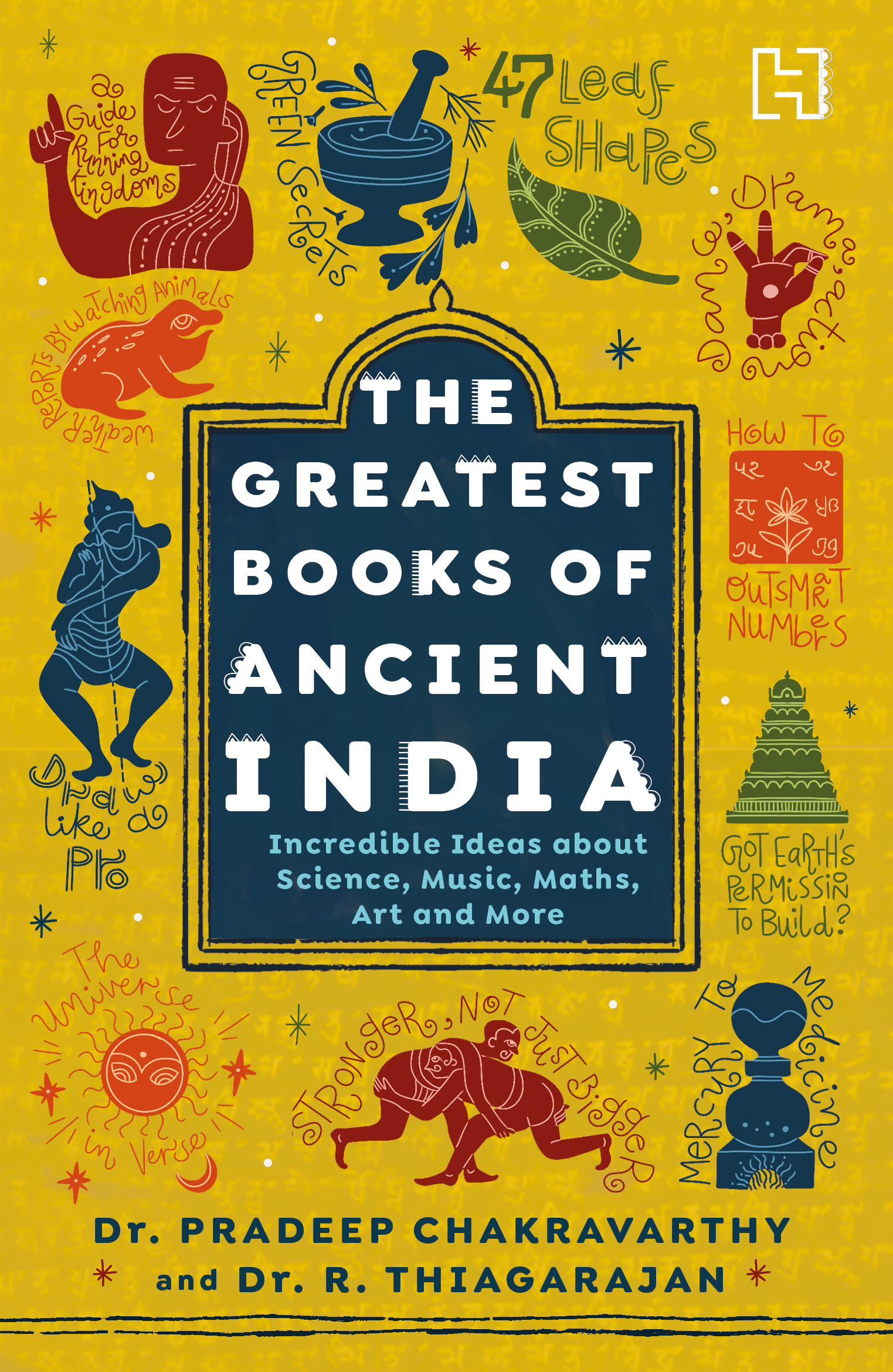 The ‘Indian Knowledge System/s’ (IKS) is the buzzword in academia. The New Education Policy has emphasized it. Universities and colleges are hastily designing courses around it. A premier university, for example, has offered a course that introduces students to fifteen shastras, ranging from Chikitsashastra, Vanaspatishastra, Rasayanshastra, Sangitashastra, nrityashastra, Vaimanikashastra, Ashwashastra, Gajashastra, Chhandashastra, Niruktashastra and Vyakaranashastra. That ancient India had great scholars of grammar and etymology is well known. Many would have also known that this land had produced experts in the fields of medicine, music and dance. But, the fact that there were scholarly treatises on chemistry and elephants or horses were also subjects of erudite studies may come as a surprise.
Delivering the IXth Chief Justice M.C. Chagla Memorial Lecture on ‘Human Rights and Sustainable Development Goals’, in Mumbai Friday, former Chief Justice of India Bhushan R. Gavai questioned whether conventional economic indicators such as gross domestic product (GDP), national income,
Seventeen years after the centre first approved the widening of National Highway 66 between Mumbai and Goa into a four-lane highway, a fresh RTI reply has revealed a sharp escalation in the project`s sanctioned cost. According to the RTI reply obtained by activist Jeetendra
Prime minister Narendra Modi on Thursday inaugurated SEMICON India 2026 in New Delhi. Addressing the occasion and highlighting the significance of the event`s fifth edition, the PM drew a parallel between the launch of Semicon India and Vishwakarma Diwas. He pointed out the beautiful coincidence of
The union cabinet, chaired by the prime minister, has approved the proposal of the Ministry of Labour & Employment to enhance the wage ceiling for mandatory coverage under the Employees’ Provident Fund Organisation (EPFO) from Rs.15,000 to Rs.25,000 per month. The decision is expected to bring
The new UPI framework introduced has no impact on any person to person transactions, and UPI will continue to remain completely free for all person-to-person transactions, irrespective of the amount transferred, the finance ministry clarified on Tuesday. Payments to merchan
On Thursday, prime minister Narendra Modi will inaugurate SEMICON India 2026 at Yashobhoomi in Dwarka, New Delhi. Global chipmakers, policymakers and investors will fill the halls, all watching an industry India has built from the ground up. For three days, the country`s semi-con (semiconductor) manufact











