

Arun Kumar | January 27, 2017 | Manipur

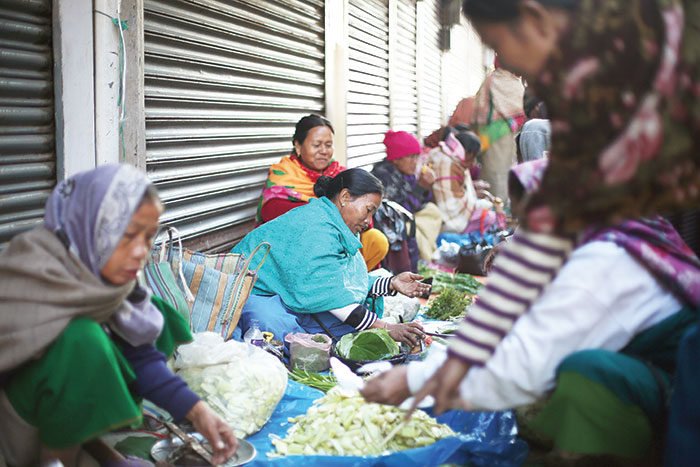
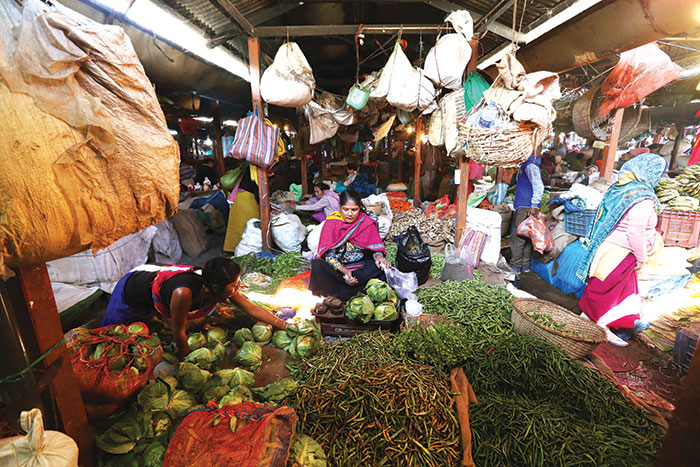
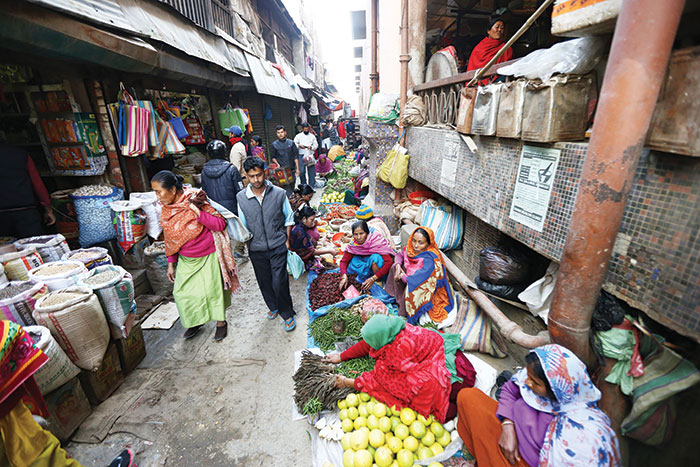
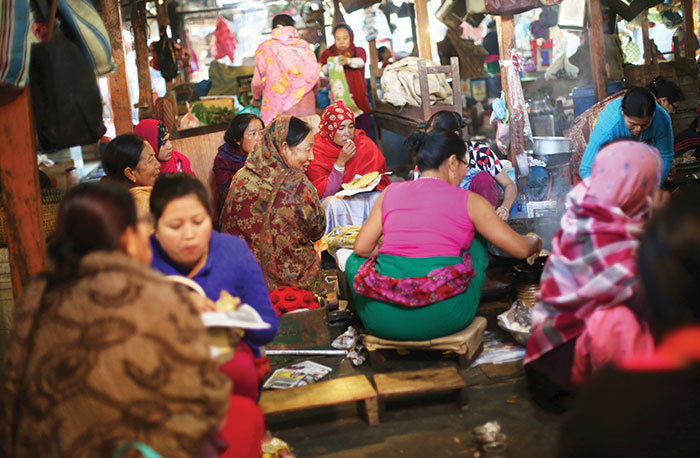
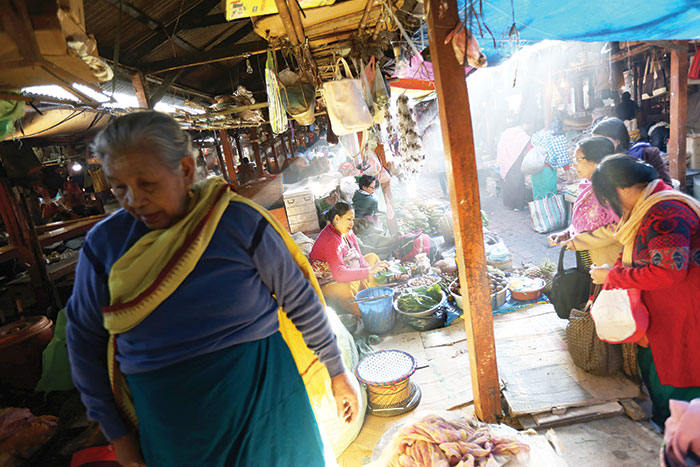
In this chirpy market, there is a woman busy weighing a kilo of fish in one corner, while at another, a woman is knitting and selling fresh woollen clothes. At another part of this famous bazaar, customers are hurriedly buying fresh fruits and vegetables from women clad in traditional bright-coloured clothing called phaneks and innaphis. The market, the Ima Keithel, is one tourist spot that you will find on almost every list of ‘Places to Visit’ in Manipur’s capital city Imphal.
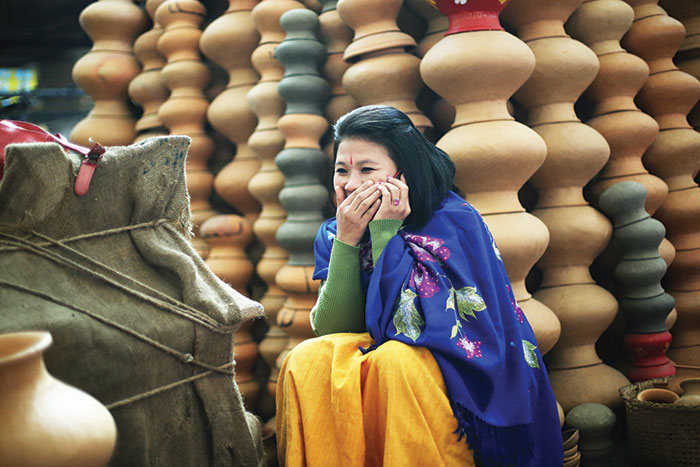
Literally translating into ‘mother’s market’, this all-women market is one of a kind. It is a 500-year-old bazaar with multiple stalls run exclusively by women. The stalls sell things ranging from food items including spices and herbs to earthen pots, metal, stoneware, utensils, jewellery and bamboo. Stalls selling local cuisine are also abundant. These cheerful, friendly women, in between setting their stalls and tackling customers, also find time to discuss social and political issues of the state. All the women here are running their own businesses and not a single man is found selling anything here. Known to be a part of the Manipuri tradition, Ima Keithel is a sign of women’s equality and independence.
(The photo story appears in the January 16-31, 2017 issue)
There are significant delays in the handling of corruption cases involving officials of the Brihanmumbai Municipal Corporation (BMC), a Right to Information (RTI) response obtained by rights activist Jeetendra Ghadge has revealed. As of 30 April 2026, 207 BMC officials face Anti-Corruption Bureau (A
Every company is transforming, or so it claims. There was a time when the word ‘transformation’ carried weight. It signified bold strategic shifts, reinvention of business models, and breakthrough technologies that fundamentally changed how organizations created
Patel: A Life By Rajmohan Gandhi Aleph Books, 568 pages, Rs 1,199 There are many biographi
The month of July exceeded its rainfall target despite forecasts of a below-normal month under a strengthening El Niño. The reason could be that climate change is amplifying monsoon complexity: West Pacific warming, Western Disturbances and evolving ocean conditions increasingly interact with El Ni&
Mumbai`s public space crisis is as much about mismanagement as it is about scarcity, and offers a governance roadmap that can be implemented without new legislation, according to a new report by the Urban Design Research Institute (UDRI) and the NGO Alliance for Governance and Renewal (NAGAR).
The Lok Sabha on Wednesday passed the Public Examinations (Prevention of Unfair Means) Amendment Bill, 2026 by a voice vote after an extensive discussion. Replying to the debate, minister of state (independent charge) for science & technology; earth sciences and MoS in the PMO, Dr. Jite











