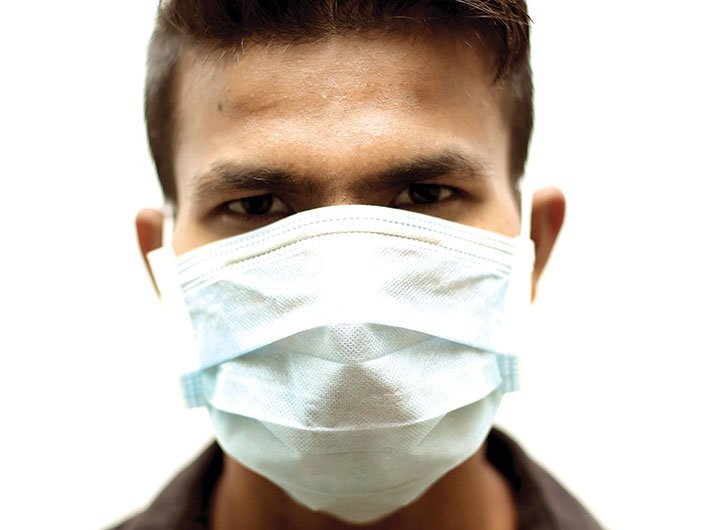
Perhaps the most dangerous part of air pollution crisis is how normal it has become
In many Indian cities, children learn to wear masks before they are old enough to understand why. That reality should alarm us far more than it does.
In 2020, nine-year-old Ella Adoo Kissi Debrah became the first person in the world to have air pollution officially recognized as a cause of death on her death certificate. Ella, who lived near one of London’s busiest roads, suffered repeated asthma attacks before dying in 2013. Her mother spent years fighting to prove what science had already established: the air her daughter breathed had contributed to her death.
Ella’s story shook the world because it transformed air pollution from an environmental concern into something painfully human. It was no longer about emissions targets, policy jargon, or AQI charts. It became a child struggling to breathe.
India cannot afford to treat Ella’s story as a tragedy that happened somewhere else.
Across Indian cities, millions of children are already growing up under dangerously polluted skies. In Delhi and several other urban centres, inhalers in school bags and winter masks have become disturbingly routine. Doctors are reporting rising asthma, chronic cough, allergies, and reduced lung capacity among increasingly younger patients. According to The Lancet, air pollution contributes to more than 1.6 million deaths annually in India, making it one of the country’s gravest public health threats.
Yet perhaps the most dangerous part of this crisis is how normal it has become.
Toxic winter air now arrives with the predictability of a season. Breathlessness, persistent cough, and burning eyes are increasingly accepted as ordinary features of urban life. But there is nothing ordinary about children avoiding outdoor play because they cannot breathe comfortably.
For years, India has responded to air pollution as a seasonal inconvenience rather than a chronic public health emergency. Every winter brings headlines, emergency measures, and public outrage. Then the smog lifts, attention fades, and the health consequences remain inside lungs, homes, and overcrowded hospital wards.
Doctors see this reality long after the headlines disappear.
A pediatrician witnessing rising childhood asthma or a pulmonologist treating chronic respiratory illness is not speaking theoretically about pollution. They are treating its consequences every single day. This growing urgency has also pushed healthcare professionals to organize more actively through initiatives such as Doctors for Clean Air, launched by Lung Care Foundation, which brings together medical experts and public health advocates to frame air pollution for what it truly is: a public health emergency.
Yet despite overwhelming scientific evidence, air pollution still remains inadequately integrated into healthcare education and communication in India. A medical student can spend years studying respiratory disease without ever being systematically trained to understand how polluted air shapes the illnesses filling hospital wards.
That gap is no longer acceptable.
If air pollution is among the country’s leading public health threats, then environmental health literacy cannot remain peripheral to medical, nursing, and public health training. Healthcare professionals must be equipped not only to treat pollution-linked illnesses, but also to communicate risks, guide vulnerable communities, and advocate for prevention.
Public awareness must evolve as well. Families are routinely educated about nutrition, vaccination, sanitation, and hygiene. Clean air deserves to be treated with the same seriousness. Many people still fail to realize that air pollution is linked not only to respiratory illness, but also to stroke, cardiovascular disease, pregnancy complications, impaired cognitive development, mental health impacts, and premature death.
Children remain the most vulnerable. Their lungs are still developing, they breathe faster than adults, and they spend more time outdoors. Unlike policymakers, they do not get to choose the air they inhale.
The burden is also deeply unequal. The worst air is often breathed by low-income communities living near highways, industrial clusters, waste-burning sites, and construction zones. Clean air has quietly become a privilege.
India has taken important steps through initiatives such as the National Clean Air Programme, expanded monitoring systems, and cleaner mobility efforts. But incremental progress cannot keep pace with a crisis already shaping how millions live, breathe, and die. Policy responses remain fragmented, enforcement remains inconsistent, and public health continues to be treated as secondary to economic convenience.
Clean air is not merely an environmental issue. It is a public health obligation, a child rights issue, and a question of social justice.
Ella’s story forced the United Kingdom to confront an uncomfortable truth: polluted air does not just damage health over time. It can take lives directly.
India does not need its own Ella to prove that reality.
The evidence is already visible in our hospitals, classrooms, and homes. No parent should have to realize the danger of polluted air only after hearing a doctor explain why their child’s lungs are failing.
Pandey is an independent researcher and consultant in the field of public health.