
Indian Oil allocates big budget to upgrade Paradip refinery

GN Bureau | January 11, 2016

#Paradip refinery   #refinery   #Indian Oil   #PSU  


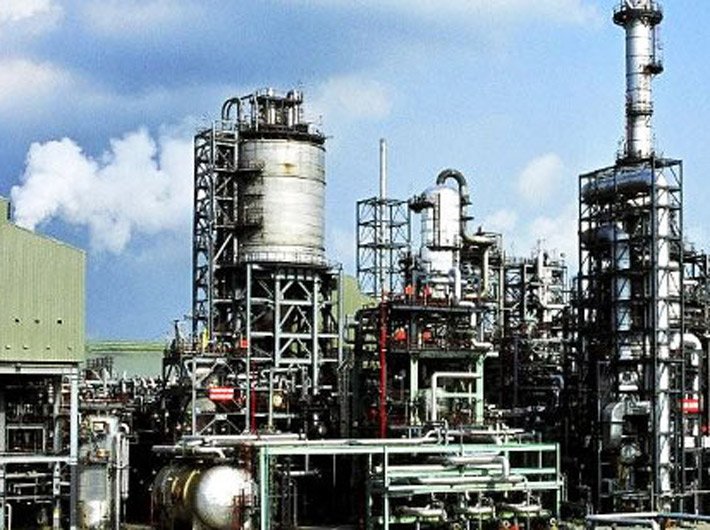
Indian Oil Corp aims to invest Rs 40 billion ($600 million) in upgrading its newest refinery in Paradip, Odisha,  after the government decided to fast track the introduction of road vehicle fuels which are compliant with Euro VI emission standards to April 2020. The refinery is IOC’s most advanced plant that can process the heaviest and dirtiest crude oil available at a cheaper rate.

The 300,000 barrels per day refinery, which was commissioned last year, was designed to produce Euro IV and Euro V-compliant fuels. But the decision to bring forward the introduction of Euro VI fuels to combat rising pollution requires installation of some new units and upgrades of existing ones.

IOC needs to add facilities like Isomerisation, Diesel Hydrotreater and a Hydrogen units to produce Euro VI compliant fuels at the Paradip refinery.

G S Singh, executive director for technical operations at the refinery, told reporters that the IOC would commission a reformer, and vacuum gas oil hydrotreater this month, and an alkylation unit next month.

The refinery is expected to run at up to 60 percent capacity in the current fiscal year to March 31 as some units have yet to come online. The crude processing capacity could rise to 80 percent once other new units are commissioned, Singh said.

It will operate at full capacity from the fiscal year 2017/18, when its gross refining margins could go up significantly to $12-$14 per barrel, Singh said.

India’s fuel demand is rising and the International Energy Agency has said the country could become the most important driver of energy demand growth in the world in the years to come.

Paradip refinery will mainly cater for markets in eastern and southern India, currently fed by fuel sourced from other local refiners and imports.

Meanwhile, Indian Oil has tied up with trucking and logistics start up Fortigo, which will help it address issues related to ferrying of its fuel by small truck owners. Fortigo is funded by various venture capitalists including Nandan Nilenkani.

Fortigo will "provide technology-based solutions to truck owners for managing their inventories and planning their operations and journeys effectively to save time and reduce transportation costs", IOC said in a statement.

A large part of fuels like petrol, diesel and LPG produced by IOC are moved from its refineries to consumption centres in trucks.

Comments


Other News

Not just politics, let`s discuss policies too

Why public policy matters Most days, India`s loudest debates stop at the ballot box. We can name every major leader and recall every campaign slogan. Still, far fewer of us can explain why a widow`s pension is delayed or how a government school`s budget is actually approved. That

When algorithms decide and children die

The images have not left me, of dead and wounded children being carried in the arms of the medics and relatives to the ambulances and hospitals. On February 28, at the start of Operation Epic Fury, cruise missiles struck the Shajareh Tayyebeh school – officially named a girls’ school, in Minab,

The economics of representation: Why women in power matter

India’s democracy has grown in scale, but not quite in balance. Women today are active participants in elections, influencing outcomes in ways that were not as visible earlier. Yet their presence in legislative institutions continues to lag behind. The Nari Shakti Vandan Adhiniyam was meant to addres

India will be powerful, not aggressive: Bhaiyyaji

India is poised to emerge as a global power but will remain rooted in its civilisational ethos of non-aggression and harmony, former RSS General Secretary Suresh `Bhaiyyaji` Joshi has said.   He was speaking at the launch of “Rashtrabhav,” a book by Ravindra Sathe

AI: Code, Control, Conquer

India today stands at a critical juncture in the area of artificial intelligence. While the country is among the fastest adopters of AI in the world, it remains heavily reliant on technologies developed elsewhere. This paradox, experts warn, cannot persist if India seeks technological sovereignty.

RBI pauses to assess inflation risks, policy transmission

The Reserve Bank of India (RBI) has begun the new fiscal year with a calibrated pause, keeping the repo rate unchanged at 5.25 per cent in its April Monetary Policy Committee (MPC) meeting. The decision, taken unanimously, reflects a shift from aggressive policy action to cautious observation after a signi


Archives

Current Issue

Opinion

Facebook Twitter Google Plus Linkedin Subscribe Newsletter

Twitter






