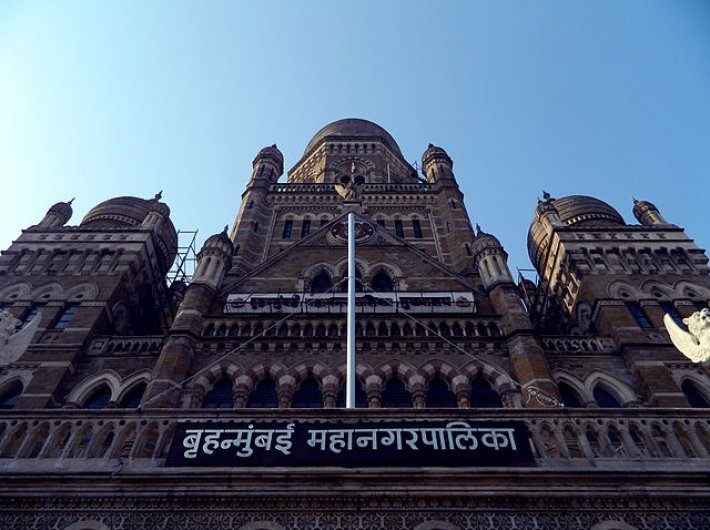
RTI uncovers slow-moving corruption probes, limited disciplinary action, and systemic delays within Mumbai's civic administration
There are significant delays in the handling of corruption cases involving officials of the Brihanmumbai Municipal Corporation (BMC), a Right to Information (RTI) response obtained by rights activist Jeetendra Ghadge has revealed. As of 30 April 2026, 207 BMC officials face Anti-Corruption Bureau (ACB) cases. Despite this, 112 officials remain in service, 68 have retired before their cases concluded, and only 27 have been suspended, raising concerns about accountability, administrative action, and the pace of anti-corruption proceedings.
Key Findings
1. RTI records reveal the following status of officials involved in registered ACB cases:
Status / Number of Officials
Total officials facing ACB cases: 207
Still in service: 112
Retired: 68
Suspended: 27
Key Observation:
Nearly 87% of officials facing corruption cases are either still serving or have already retired.
Only about 13% have been suspended.
2. Investigations Pending for More Than Two Decades
RTI indicates that some corruption investigations remain unresolved despite being registered years ago.
Oldest pending ACB cases date back to 2005
Some investigations have remained pending for over 21 years
This raises concerns over delays in investigation, departmental proceedings, and judicial accountability.
3. Engineering departments feature prominently
Engineering personnel constitute the largest professional group among officials facing corruption allegations.
Officials named include:
33 sub engineers
13 assistant engineers
13 junior engineers
Several executive engineers and senior engineering officers
Given that engineering departments oversee infrastructure projects worth thousands of crores-including roads, drains, buildings, and public works-the concentration of cases within these cadres is likely to attract public attention.
4. Corruption cases extend to grassroots workforce
The RTI suggests that corruption investigations are not confined to senior officials.
Among Class IV employees facing ACB action are:
48 sanitation labourers
24 labourers
6 mukadams
6 peons
Several other field-level employees
The findings indicate that corruption allegations span multiple levels of the civic administration.
5. Prosecution sanctions await approval
The RTI highlights delays in granting prosecution sanctions required for criminal proceedings.
Pending proposals include:
Five prosecution sanction proposals in trap/bribery cases
One proposal involving disproportionate assets
Some proposals have remained pending since 2024, with their official status continuing to be recorded as ‘In Progress.’
Without sanction from the competent authority, prosecution cannot proceed effectively.
6. Covid-19 reinstatement of suspended officials
The RTI also reveals that during the Covid-19 pandemic:
43 suspended municipal employees were reinstated to meet manpower requirements for quarantine centres and emergency operations.
The BMC declined to disclose the identities of these employees, citing exemptions under the RTI Act and stating that disclosure could affect ongoing criminal or departmental proceedings.
The disclosure is likely to renew debate over the reinstatement of officials facing serious allegations during a public health emergency.
Reacting to the findings, Jeetendra Ghadge, founder of The Young Whistleblowers Foundation, said, "When only 27 officials are suspended while 112 continue to hold office and 68 retire before their corruption cases conclude, the system sends the wrong message. Delayed investigations defeat the very purpose of anti-corruption laws. Corruption cases cannot become retirement schemes where officials simply wait for time to pass. Every pending ACB case must be monitored on a fixed timeline, prosecution sanctions should be decided promptly, and citizens deserve complete transparency on the action taken against corrupt public servants."
Ghadge also called for an independent review by the Maharashtra Government and investigating agencies to determine why such a large number of ACB cases remain unresolved despite registered offences.
The RTI findings are expected to intensify public debate over accountability within the BMC, particularly as the civic body continues to execute infrastructure projects worth thousands of crores. With more than 200 officials facing Anti-Corruption Bureau cases, many still serving and others retiring before investigations conclude, the records raise broader questions about the effectiveness of disciplinary mechanisms, the pace of corruption investigations, and institutional accountability within India's richest municipal corporation, said Ghadge.