Study: 8% of all monsoon season deaths in Mumbai comparable to cancer deaths highlight urgent climate and inequality challenges
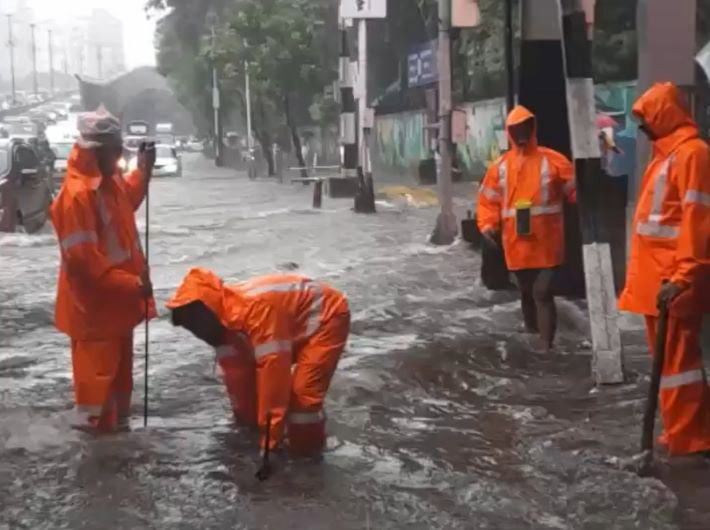
Chronic flooding during Mumbai’s monsoon season is responsible for a startling share of the city’s deaths each year, according to a new study published in Nature. The research finds that rainfall and flooding account for about 8 percent of all deaths during the monsoon season a toll comparable to cancer deaths in India’s financial capital.
The findings, say researchers, offer a stark warning for coastal megacities worldwide as climate change intensifies rainfall and raises sea levels, threatening billions of people living in flood-prone regions.
Nearly 1.8 billion people around the world live in areas vulnerable to flooding. This year alone, devastating monsoon rains battered parts of India, Pakistan, Korea, and China, triggering widespread floods and landslides. Experts warn that as urbanization accelerates and global temperatures rise, cities particularly in the Global South face growing public health risks linked to poor drainage, sanitation, and waste systems.
The study, led by Ashwin Rode of the University of Chicago’s Harris School of Public Policy, alongside Tom Bearpark of Princeton University and Archana Patankar, a Mumbai-based climate economist, examined the effects of rainfall on mortality in Mumbai. By combining city death records with hyper-local rainfall data across several monsoon seasons, the team estimated the impacts by age, gender, and socioeconomic status.
They found that rainfall accounts for roughly 2,300 to 2,700 deaths each monsoon season, representing an economic cost of about US $1.2 billion a year in lost life years. This figure excludes additional costs from health impacts, infrastructure damage, and lost productivity.
“We have witnessed the impact of rainfall and flooding time and again - traffic accidents, electrocutions, drownings from rising flood waters,” said Rode. “But standing floods can also trigger diseases like dengue, diarrhea, and malaria. Our study highlights the destruction rains and floods leave in their wake by counting up the death toll” he added.
The study reveals that 85 percent of rainfall-related deaths occur in Mumbai’s slum areas, where drainage and sanitation systems are weakest. During monsoon season, rainfall deaths account for 11 percent of all deaths among slum residents, compared to just 2.4 percent among those living outside informal settlements.
Women and children are especially vulnerable. Among children under five, rainfall contributes to 18% of monsoon-season deaths, primarily due to waterborne diseases such as diarrhea. For women, rainfall accounts for 11 % of seasonal deaths.
“These results reflect vast inequality in our cities,” said co-author Archana Patankar. “Poor areas experience very different living conditions and lack access to healthcare. But these are solvable problems with targeted investments in infrastructure, disaster management, and healthcare.”
To anticipate future challenges, the researchers also analyzed the overlap between heavy rainfall and high tides, simulating scenarios of sea level rise. They found that intense rain combined with high tides produces the deadliest outcomes, due to drainage systems becoming overwhelmed and floods persisting for days.
Without adaptation, the study warns, rainfall-related deaths in Mumbai could rise by up to 20 percent over the next decade as rainfall intensity and sea levels increase.
“This study is a warning signal that our future could bring many more deaths from rainfall and flooding,” said Bearpark. “But it also points to solutions. If policymakers act now, we can build safer and more resilient cities.”
The authors urge local and national governments to invest in climate-resilient infrastructure, improve drainage and sanitation systems, and strengthen public health responses to prevent future loss of life. As climate change accelerates, Mumbai’s experience offers a crucial lesson for coastal cities across the developing world.
“If leaders use this data to target investments and prepare our megacities for the changes ahead we have the potential to create a safer and healthier future,” said Bearpark.