
This colony near Kashmere Gate, Delhi presents myriad colours of Tibetan culture

Archit kumar Srivastava | June 29, 2016 | New Delhi

Majnu ka tilla or New Aruna Nagar Colony, situated on the banks of river Yamuna near Kashmere Gate, is a refugee camp housing Tibetan people. The Tibetan colony was established in 1960.
The colony is divided into two parts; new colony and old colony. Many restaurants and shops are located in the new colony, while in the old colony houses of Tibetan refugees can be seen. Most of the refugees came to this colony in 1959.
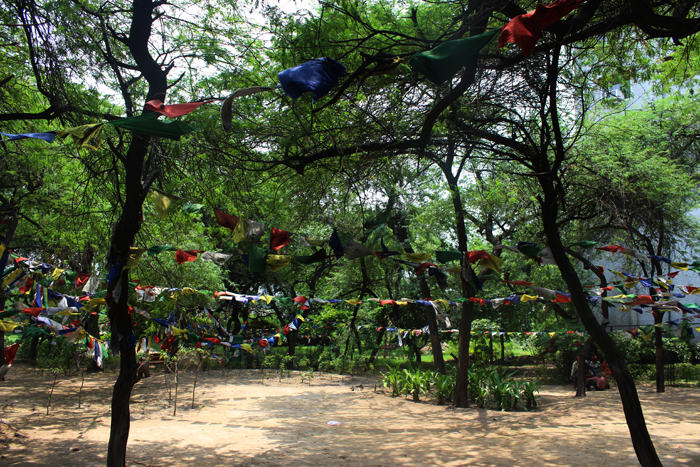
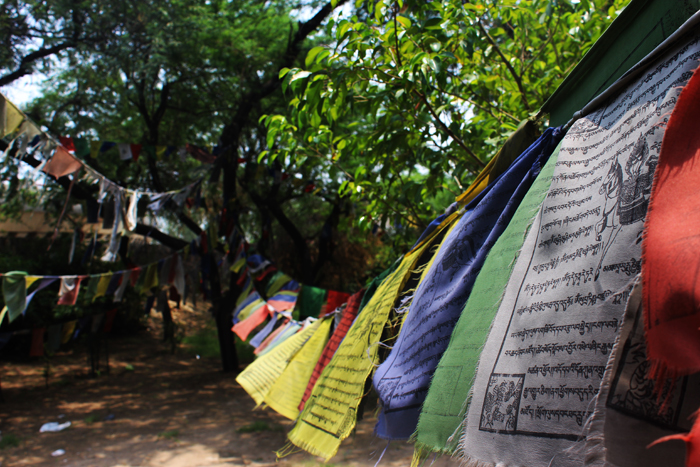
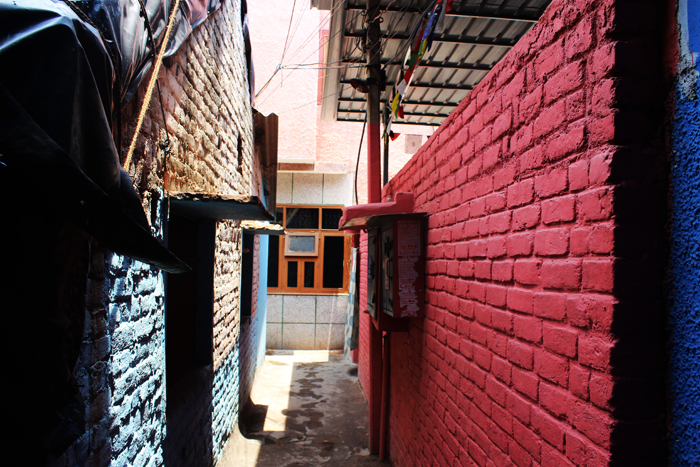
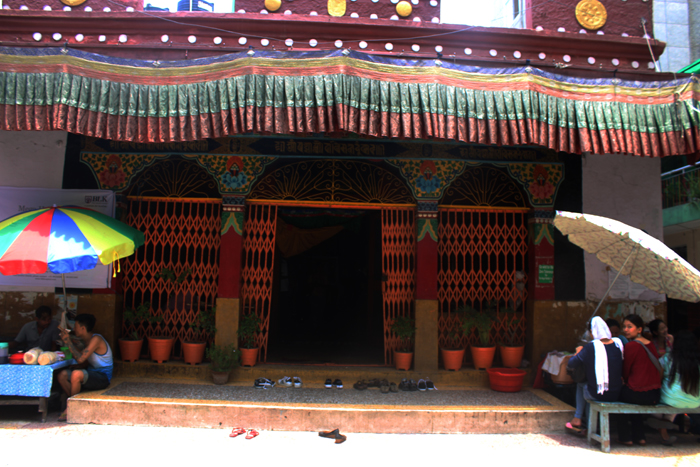
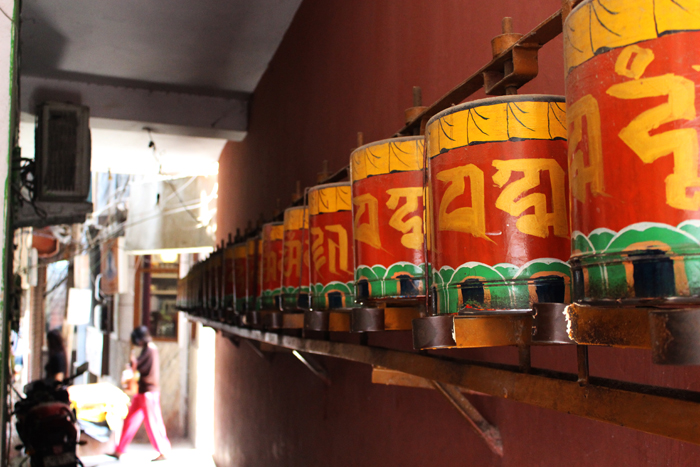
As you enter the narrow lanes of Majnu ka tilla, colorful prayer flags catch one’s eye immediately. Right in the center of the colony a Gompa (a Tibetan monastery) can be found. Monks and devotees offer prayers and rotate prayer wheels inside the monastery.
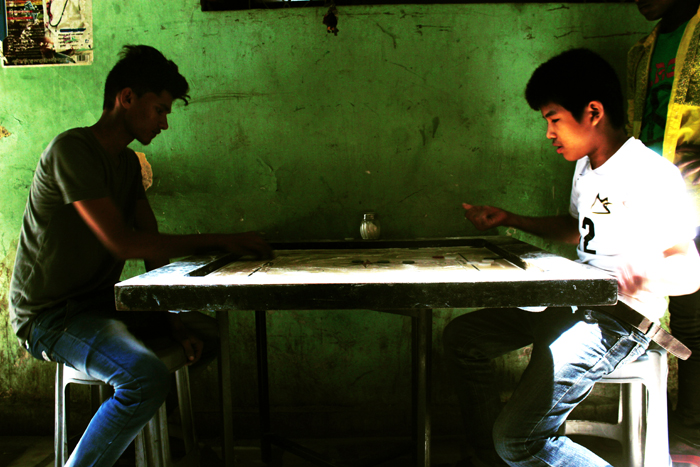
The place is also thronged by tourists as there are many popular eating joints, which offer local Tibetan food. Many local shops selling Tibetan handicrafts, latest fashion wear and gadgets also attract tourists to the place. Kids can be easily found playing games and hanging out in the narrow lanes of Majnu ka tilla.
The colony also has a park which is adorned with beautiful flags and buntings. The park becomes a playground for children and a resting ground for the elderly.
The place also reflects Tibetan people’s struggle for freedom, as posters and graffiti of ‘Free Tibet’ seen all over the place.
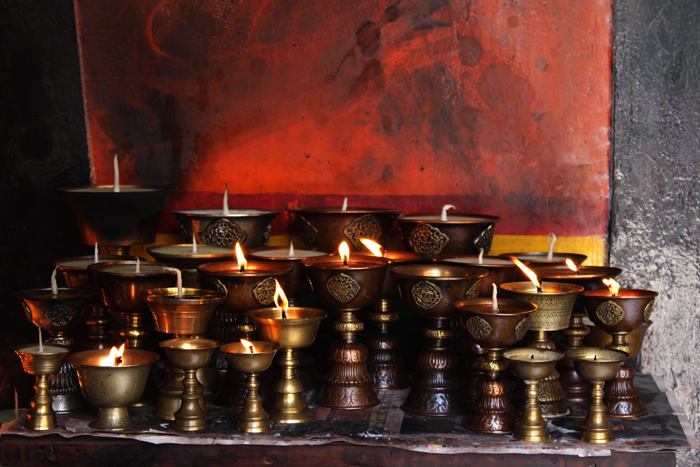
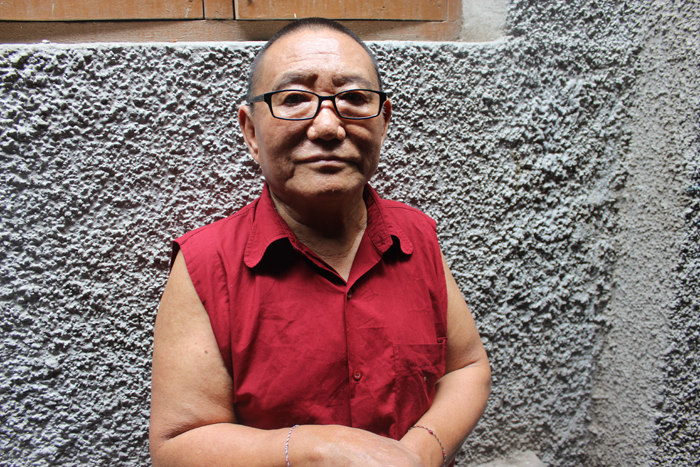
Laja(79), a monk or a bhikkhu, has served in the gompa for around two decades.


Shreen (76) was 19 years old when he came to India as a refugee. Shreen and his father were brought in into the colony by Indian army. He wants to die in his motherland but can’t go back as does not have a visa.

Archit is an intern with Governance Now
Shri Avanish Kumar Mishra (ISS: 2000) has been appointed as Joint Secretary, Department of Administrative Reforms & Public Grievances (DARPG), Government of India. The appointment, approved by the Appointments
The story of millets is nothing short of extraordinary. Once seen as the food of the poor and downtrodden, they are now seen as the food of the health conscious and the elite. Today, these nutri-cereals occupy prominent shelves in premium supermarkets, feature on the menus of gourmet restaurants, and are e
A vacant courtroom cannot decide a case. Neither can a poorly managed courtroom simply decide twice as many cases after receiving an additional judge. Judicial capacity and court productivity are related, but they are not the same. The distinction matters because India’s district and subord
Dharmendra Pradhan, education minister at the centre of the storm of the NEET paper leak, offered his resignation to the prime minister on Saturday. He posted a two-page letter on X, saying he was pained by the events of the last ten days. "This is not a matter of personal
The union cabinet chaired by the PM has approved Bharat Audyogik Vikas Yojana Rasayan or BHAVYA - Rasayan Scheme for establishing three dedicated Chemical Parks in the country. The Scheme was announced in the Union Budget of FY 2026–27. The Scheme will have a total financ
Anurag Jain, a 1989-batch IAS officer of the Madhya Pradesh cadre, has been appointed as the Chief Executive Officer (CEO) of NITI Aayog for a two-year term after serving as the Chief Secretary of Madhya Pradesh. A distinguished administrator with extensive experience in infrastructure, industrial de











