The MP recalls Nehru, Gandhi, suggests an independent body to decide on parliamentarians’ salaries
In one of those little paradoxes, the parliamentarians’ pays and perks are decided by nobody other than they themselves. Feroze Varun Gandhi, the BJP MP from Sultanpur who has been championing a plethora of political reforms in recent months, has suggested that there should be an external body to fix MP’s salaries. Also, he feels that given the miseries faced by farmers and others today, there should not be any increase in MPs’ salaries for the term of this Lok Sabha.
Gandhi spoke passionately about this matter during zero hour on August 1: Here is his
speech in full
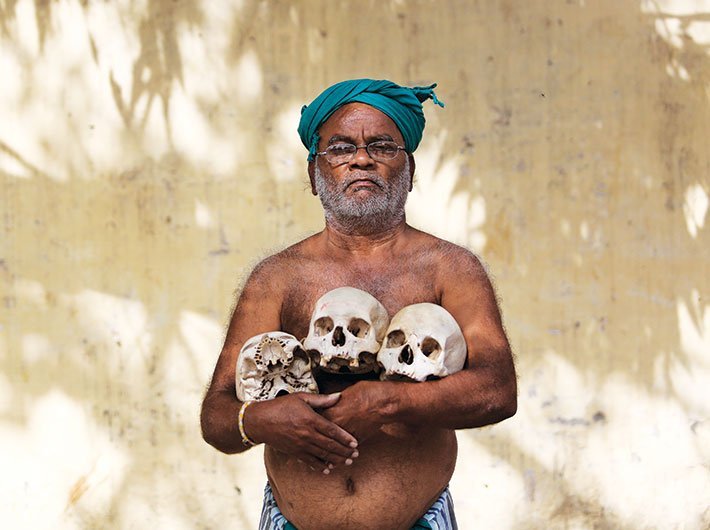
A few weeks ago, in the national capital, a farmer from Tamil Nadu tried to commit suicide. A few weeks before that, groups of farmers from that state, to demonstrate their own suffering, held skulls of farmers, who had committed suicide in that same state to show their misery.
On the 19th of July, the state assembly of Tamil Nadu accorded to itself a pay rise of 200 percent. Without imputing any motives to this, it sent a broad message of insensitivity.
In the first cabinet meeting of Pandit Jawaharlal Nehru in 1952 after winning the elections, the cabinet took a unanimous decision not to avail of their salaries for three months in the light of the economic sufferings of the people at that time. We had Members of the Constituent Assembly like Shri Biswanath Das from Odisha, who chose to draw only Rs. 25 a day as against Rs. 40 which they were entitled to, to show their sensitivity during that period. VI Muniswamy Pillai in 1949 in the Madras Assembly imposed a voluntary cut of Rs. 5 per diem in recognition of the suffering of the farmers, and the Madras Assembly unanimously passed the motion.
In the parliament of the United Kingdom on which this is largely based, there is a model of an independent authority, which is called the Senior Salaries Review Body, which is a body consisting of non-parliament members, non-politicians, academics, jurists [it] takes into account the recommendations of both the beneficiaries, that is, the members of parliament and the public. It takes into account the affordability and the validity of these claims, and then requests the government for it.
Such a mechanism does not exist in our country sadly. Arrogating unto ourselves the authority to increase our own fiscal compensation is not in line with the moral foundations of our democracy. Gandhiji wrote and I quote:
“In my opinion, the allowances should be exactly in consonance with the proportion of the services rendered to the nation.”
In the last decade, parliamentarians had sought for an increase of 400 percent for their compensation. Have we really earned this massive increment?
I just want to make three points. One is that 50 percent of the bills in the last 15 years of this parliament that have been passed, have not been referred to serious parliamentary committee deliberations, which in fact, means that the last passed Bills shows priority for politics and not policy because this House has created itself to dissect, analyze and deliberate, and then pass on policy-making. Forty-one percent of the bills have been passed without discussion in the last 15 years.
There are those, who say that MPs should be paid in line with the private sector. The private sector’s only motive is self-interest and profit. We are committed to the ideals of our forefathers. We are committed to make India a country of our dreams. I do not want to refer to the issues of MPs’ behaviour, performance or things such as taking cash for asking questions. I just want to make a point regarding the low number of sittings and constant chaos that we witness.
Lastly, I want to suggest that we should create an external body – which could be a statutory body – which presides over our compensation package or if we want to self-regulate, we should empathetically do so. Looking at the condition of the country, we should forego any increase in compensation for the rest of this 16th Lok Sabha.