
Melting glaciers will hit Indian, Chinese rivers: Study

Food security of people living along the rivers' basins will be threatened

GN Bureau | June 19, 2010
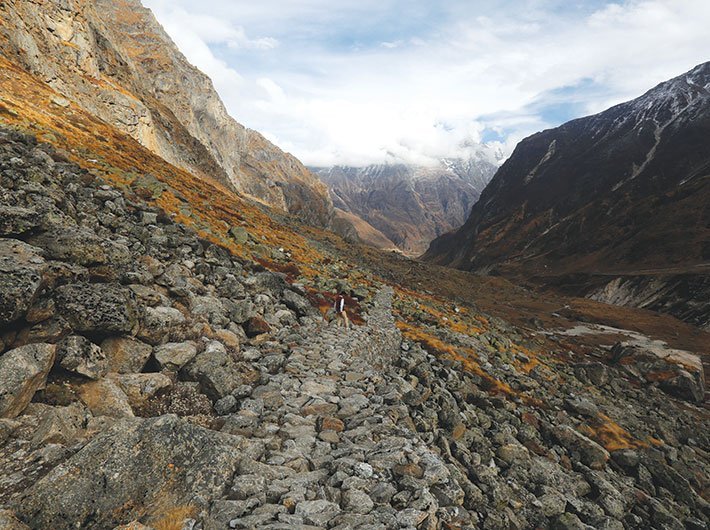


The melting of the Himalayan glaciers does not bode well for the Indus, Ganga, Bramhaputra, Yangtze and Yellow rivers as their water supplies could fall by as much as 19.6 percent by 2050 if it continues unabated, says a study.

The study, published in the latest issue of Science journal, said that more than 1.4bn people depend on water from rivers of Indus, Ganges and Brahamaputra, Yangtze and Yellow rivers and threatens food security of people living in Asia. It will also cause food problem to 60 million to people, the study reported.

The Dutch scientists, who brought out the report based on their research findings, have stated that the impact of the melting glaciers could be disastrous with one-fifth of the population dependent on these rivers for drinking water and irrigation.

But the report also says that it will not affect all the Asian rivers and impact would be lesser than claimed a few years ago by the U.N. Intergovernmental Panel on Climate Change.

The scientists also suggested that increased rainfall in some river basins will blunt the effect of the disappearing snow and ice.

The team used data like the current importance of meltwater in overall river basin hydrology; observed cyrospheric changes; and the effects of climate change on the water supply from the upstream basins and on food security to come to this conclusion.

Read the report

Comments


Other News

The economics of representation: Why women in power matter

India’s democracy has grown in scale, but not quite in balance. Women today are active participants in elections, influencing outcomes in ways that were not as visible earlier. Yet their presence in legislative institutions continues to lag behind. The Nari Shakti Vandan Adhiniyam was meant to addres

India will be powerful, not aggressive: Bhaiyyaji

India is poised to emerge as a global power but will remain rooted in its civilisational ethos of non-aggression and harmony, former RSS General Secretary Suresh `Bhaiyyaji` Joshi has said.   He was speaking at the launch of “Rashtrabhav,” a book by Ravindra Sathe

AI: Code, Control, Conquer

India today stands at a critical juncture in the area of artificial intelligence. While the country is among the fastest adopters of AI in the world, it remains heavily reliant on technologies developed elsewhere. This paradox, experts warn, cannot persist if India seeks technological sovereignty.

RBI pauses to assess inflation risks, policy transmission

The Reserve Bank of India (RBI) has begun the new fiscal year with a calibrated pause, keeping the repo rate unchanged at 5.25 per cent in its April Monetary Policy Committee (MPC) meeting. The decision, taken unanimously, reflects a shift from aggressive policy action to cautious observation after a signi

New pathways for tourism growth

Traditionally, India’s tourism policy has been based on three main components: the number of visitors, building tourist attractions and providing facilities for tourists. Due to the increase in climate-related issues and environmental destruction that occurred over previous years, policymakers have b

Is the US a superpower anymore?

On April 8, hours after warning that “a whole civilisation will die tonight,” US president Donald Trump, exhibiting his unique style of retreating from high-voltage brinkmanship, announced that he agreed to a two-week ceasefire with Iran. The weekend talks in Islamabad have failed and the futur


Archives

Current Issue

Opinion

Facebook Twitter Google Plus Linkedin Subscribe Newsletter

Twitter


