
This colony near Kashmere Gate, Delhi presents myriad colours of Tibetan culture

Archit kumar Srivastava | June 29, 2016 | New Delhi

Majnu ka tilla or New Aruna Nagar Colony, situated on the banks of river Yamuna near Kashmere Gate, is a refugee camp housing Tibetan people. The Tibetan colony was established in 1960.
The colony is divided into two parts; new colony and old colony. Many restaurants and shops are located in the new colony, while in the old colony houses of Tibetan refugees can be seen. Most of the refugees came to this colony in 1959.
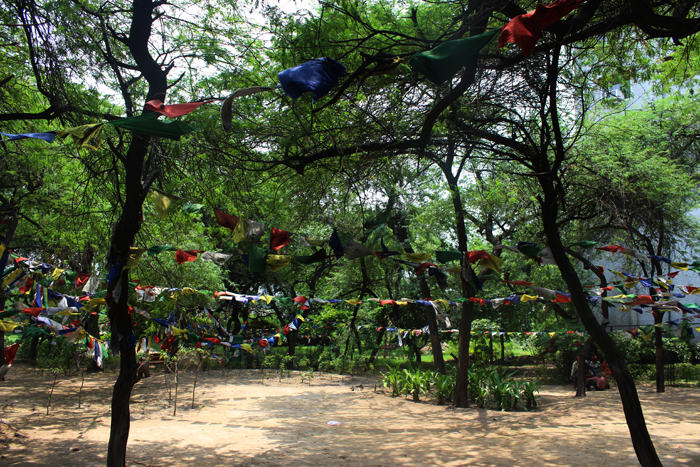
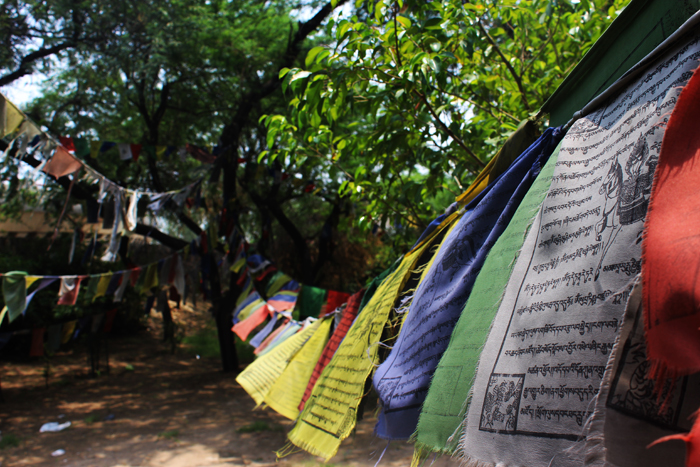
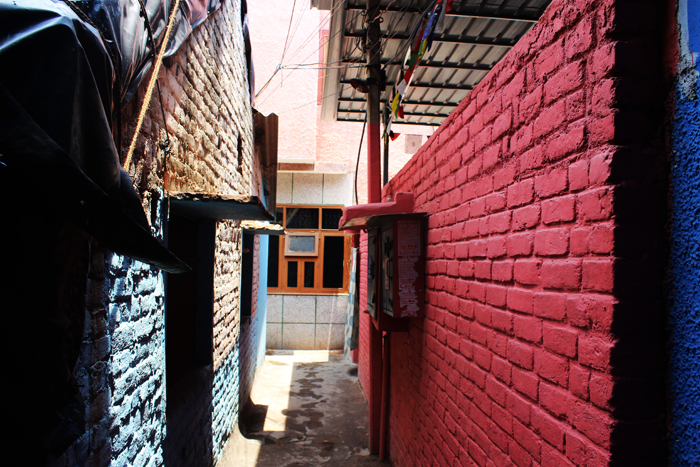
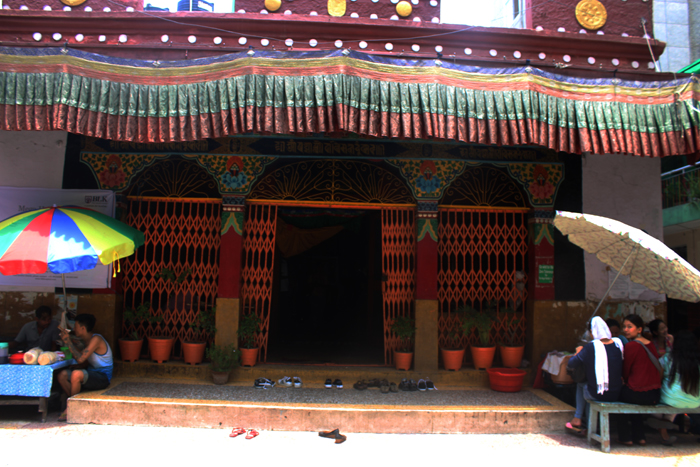
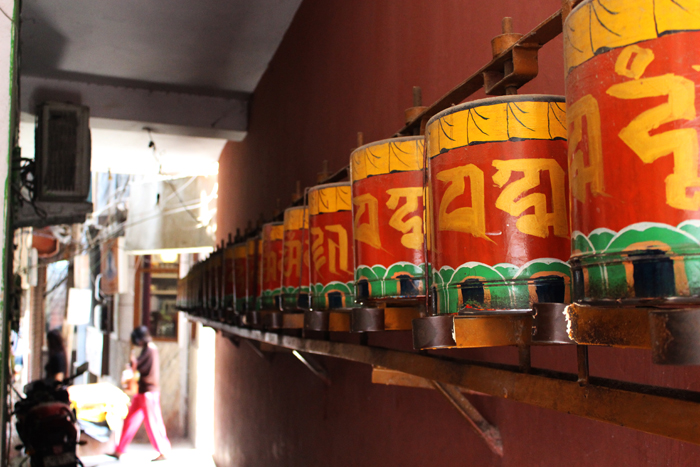
As you enter the narrow lanes of Majnu ka tilla, colorful prayer flags catch one’s eye immediately. Right in the center of the colony a Gompa (a Tibetan monastery) can be found. Monks and devotees offer prayers and rotate prayer wheels inside the monastery.
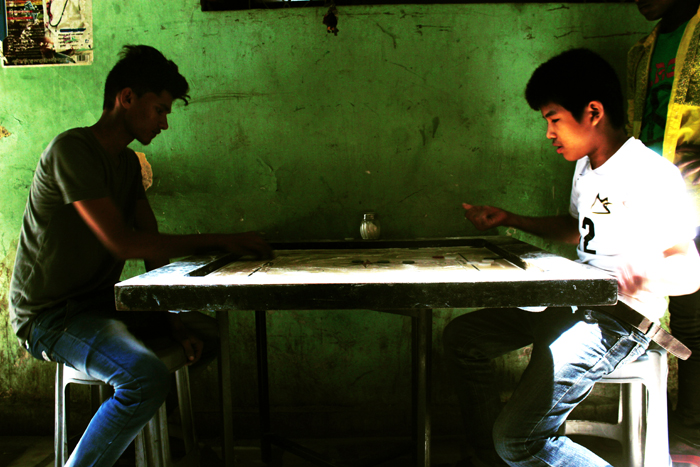
The place is also thronged by tourists as there are many popular eating joints, which offer local Tibetan food. Many local shops selling Tibetan handicrafts, latest fashion wear and gadgets also attract tourists to the place. Kids can be easily found playing games and hanging out in the narrow lanes of Majnu ka tilla.
The colony also has a park which is adorned with beautiful flags and buntings. The park becomes a playground for children and a resting ground for the elderly.
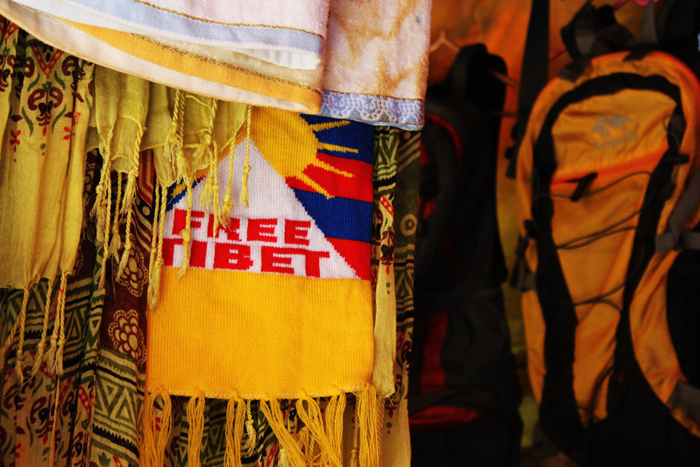
The place also reflects Tibetan people’s struggle for freedom, as posters and graffiti of ‘Free Tibet’ seen all over the place.

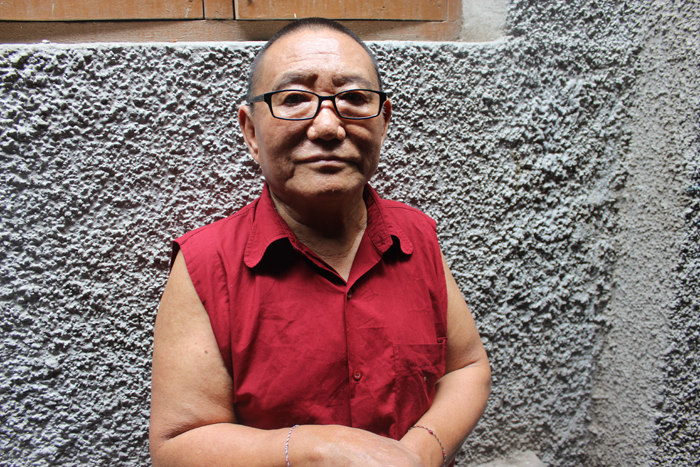
Laja(79), a monk or a bhikkhu, has served in the gompa for around two decades.

Shreen (76) was 19 years old when he came to India as a refugee. Shreen and his father were brought in into the colony by Indian army. He wants to die in his motherland but can’t go back as does not have a visa.
Archit is an intern with Governance Now
India’s southwest monsoon ended with a 13% rainfall deficit in 2026, its weakest performance in a decade, raising concerns over agricultural production, water security and the upcoming rabi season. With El Niño expected to persist into early 2027, experts warn that declining soil moisture, dep
For over a decade, India’s e-commerce story has rested on a simple premise: platforms connect buyers and sellers, while data fuels efficiency, personalisation, and scale. However, as the market matured, its structure has revealed a growing imbalance. E-commerce platforms, especially marketplace ent
The interaction between active Western Disturbances, increased atmospheric moisture and the region’s complex topography aswell as global warming are important factors behind intense rainfall in the Himalayas, leading to flash floods in Nepal, according to meteorologists. Nepal
Last summer, the two of us spent several weeks in rural Madhya Pradesh with a non-profit that works on gender justice through women’s self-help groups. We went in with a notebook full of laws. The Protection of Women from Domestic Violence Act. The Dowry Prohibition Act. Free legal aid for every wo
Digital payments have become a reflex for urban India, but the confidence earned in paying has not yet carried over to borrowing. That is the central finding of `How Urban India Pays Report 2026`, released by Pahlé India Foundation in collaboration with Amazon Pay. Based on a survey of 5,149 consu
Commerce and industry minister Piyush Goyal has called upon businesses in India and the United Kingdom to translate the opportunities created by the India-UK Comprehensive Economic and Trade Agreement (CETA) into expanded trade, investment, partnerships and job creation. Addressing the Bu










