

Arun Kumar | March 7, 2017 | New Delhi

Kathputli Colony in Delhi is preparing to stage a final performance – a vanishing act. For over half a century it has been home to over 3,500 street performers – puppeteers, magicians, folk singers and acrobats. It will soon be replaced by multi-storey buildings and malls. Under the DDA’s in-situ slum rehab scheme under the PPP model, the slum-dwellers are shifting – or, as in recent weeks, being shifted using police force – to a transit camp. Construction will soon start for their modern homes in the same place. That sounds good, but the residents have little trust in authorities after years of government apathy. They feel that this promise of a bright future would not only snatch away their land but also their cultural heritage with it. Then, the colony will live on only in imagination – and in Salman Rushdie’s Midnight’s Children, in which it was referred to as the magicians’ ghetto.
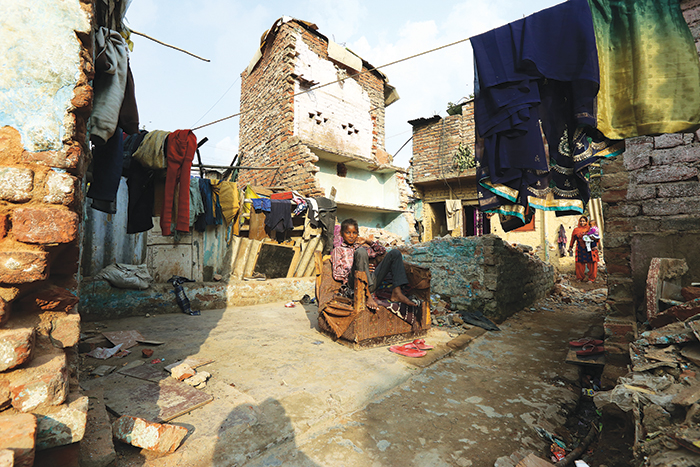
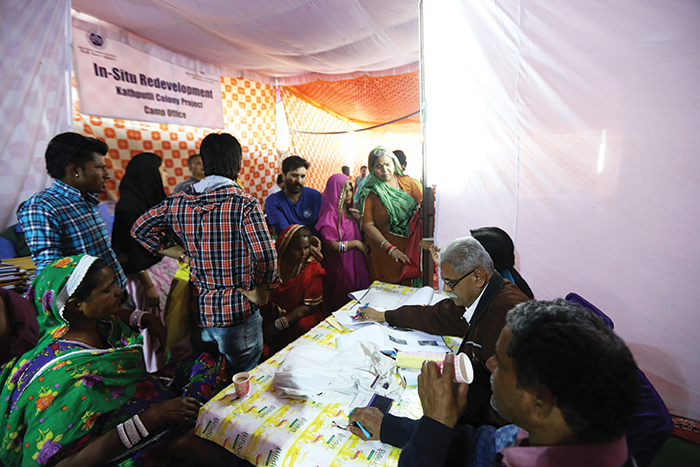
A DDA camp for residents to obtain a ‘parchi’ or eviction slip required to shift to the transit camp
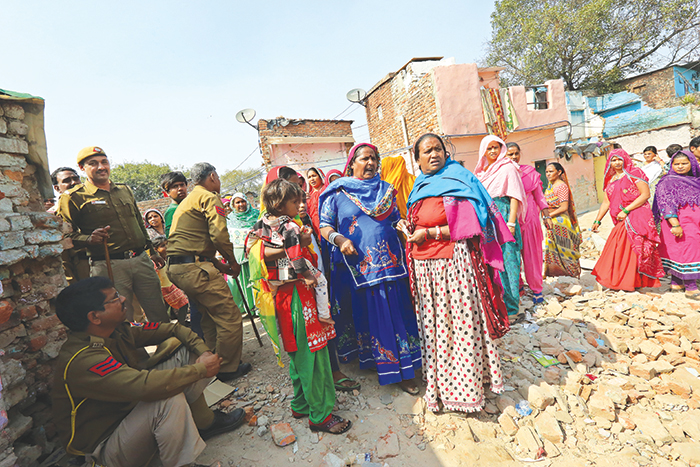
Heavy police deployment on the rubble-strewn streets of what remains of the colony. Residents say they feel intimidated
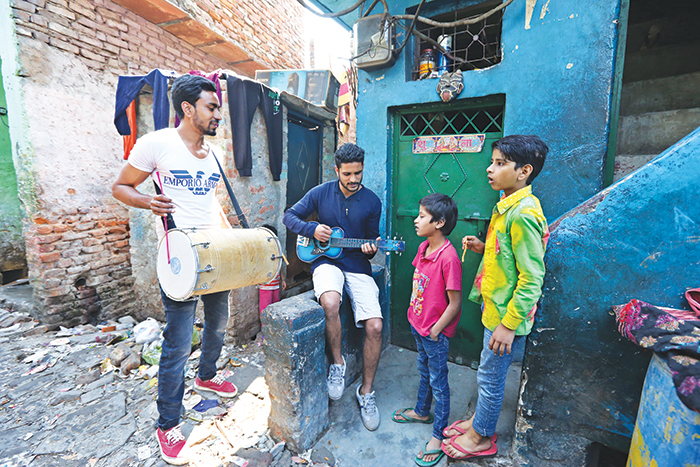
The colony is said to be the inspiration for the ‘magicians’ ghetto’ in Salman Rushdie’s 1980 novel, Midnight’s Children
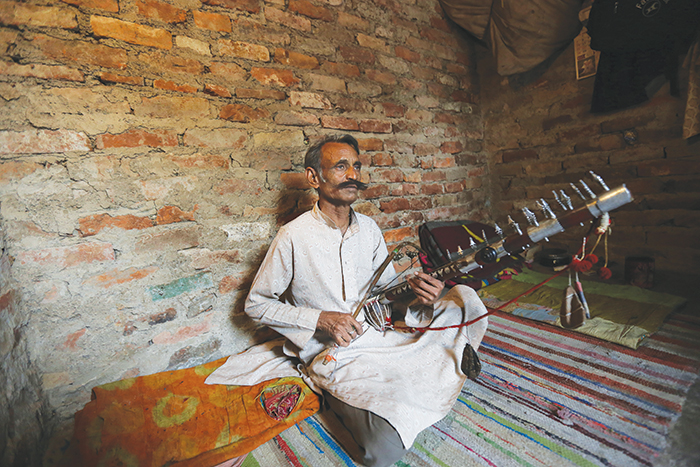
Kathputli Colony is said to be the largest colony of street artistes in the world
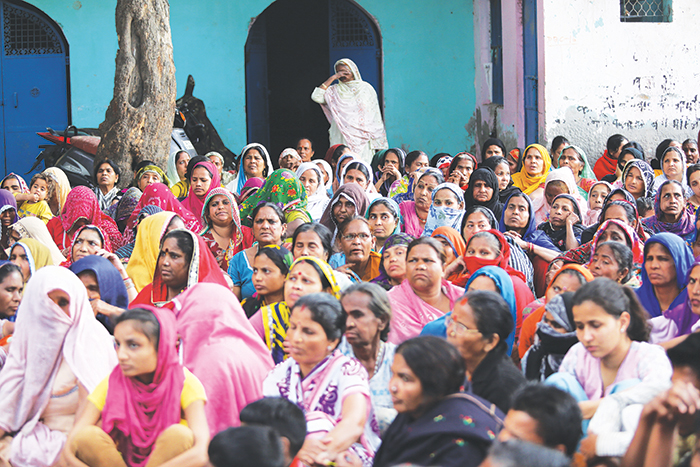
A ‘sabha’ organised by the residents to discuss the problems of the in-situ redevelopment scheme
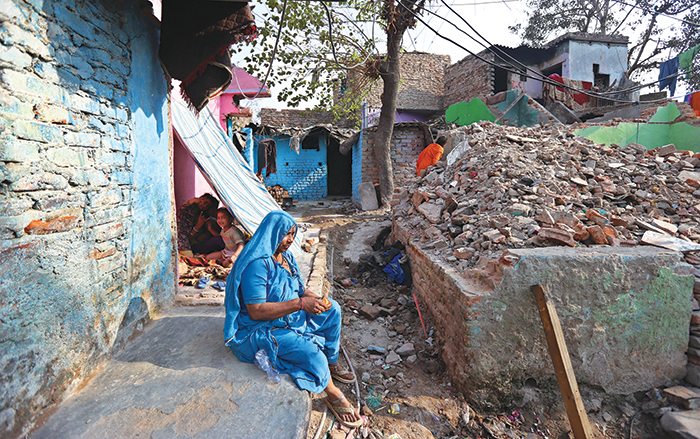
In hope of a better place to live in, a resident waits
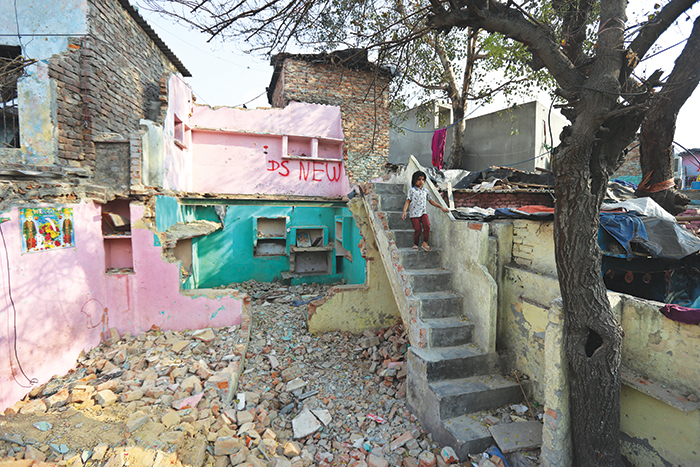
Houses of residents who have agreed to shift to a transit camp are marked ‘DS’ (direct shift)
(The photo story appears in the March 1-15, 2017 issue of Governance Now)
September 12 marks the International Day for South-South Cooperation, commemorating the 1978 Buenos Aires Plan of Action (BAPA). Forty-eight years later, its central proposition remains relevant: countries of the Global South can draw on their own knowledge, experience and innovations to address shared d
As India prepares to host the 18th BRICS Summit this weekend, and as prime minister Narendra Modi is set to hold a bilateral meet with president Xi Jinping, China’s growing global influence and the changing dynamics of India-China relations will be under focus. But to understand where China is head
This year marks 20 years of BRICS, with India set to host the grouping’s leaders’ summit this weekend. The anniversary offers an opportune moment to assess BRICS’ growing importance at a time when the effectiveness of global governance and the credibility of multilateralism are under in
Triumph of the Indian Republic: My Life, My Struggles By Ram Nath Kovind Rupa Publications, 400 pages, Rs 795 All our presidents so far stand out, each for a different reason. Ram Nath Kovind, the 14th president of India, from 2017 t
Pathbreakers: How 10 Visionary Leaders Transformed India by award-winning journalists By Sucheta Dalal and Debashis Basu Rupa Publications, 304 pages, Rs 695
In a significant gain for citizen protection in the digital economy, the Department of Telecommunications (DoT) has helped prevent suspected cyber fraud losses of more than ₹5,000 crore through its Financial Fraud Risk Indicator (FRI) within fifteen months of its launch on May 22, 2025. This money did











