
Paediatricians call for junking unhealthy food

Indian Academy of Pediatrics comes out with guidelines, recommends ban on ‘JUNCS’ food advertisement

geetanjali

Geetanjali Minhas | August 19, 2019 | Mumbai

#Indian Academy of Pediatrics   #food   #Health  


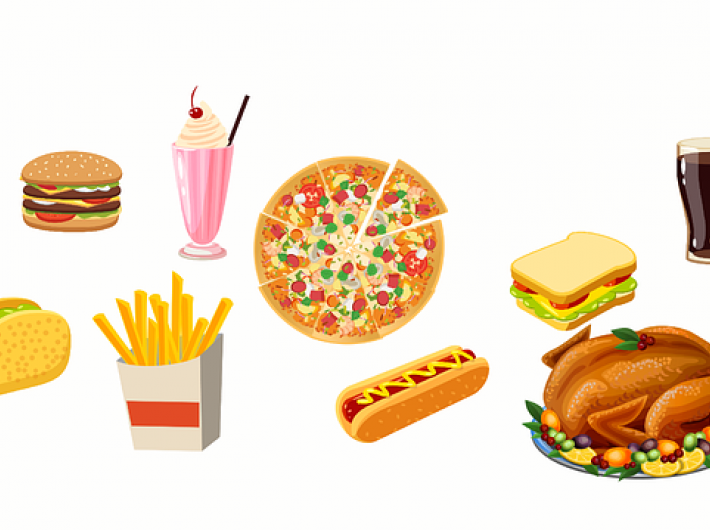
As children are consuming more and more fast foods and sweetened beverages are becoming, leading to obesity and related non-communicable diseases (NCDs), the Indian Academy of Pediatrics (IAP) has come out with guidelines on such substances.

The dietary guidelines under its nutrition chapter, The Pediatrics and Adolescent Nutrition, have been acronymed  ‘JUNCS’ – junk food, ultra-processed food, nutritionally inappropriate foods, caffeinated/coloured/carbonated beverages, sugar-sweetened beverages – and relate to a wide variety of concepts related to unhealthy food  for their fat, sugar and  salt content, harmful non-nutritional substances  or  ultra-processed foods and findings  that  consumption of these foods and beverages is associated with free sugar and energy intake, higher body mass index and risk adverse cardio metabolic consequences  in children and adolescents.

The major adverse effects related to the intake of fruit juice and fast foods are obesity and its associated complications like dental caries, allergies, micro-organism contamination leading to infections and risk of cancer due to carcinogenic and allergenic properties of some food additives.

These IAP guidelines are for children and adolescents aged 6 months through 18 years, limited to dietary interventions and formulated primarily for the purpose of prevention of chronic NCDs including obesity and metabolic syndrome. Exclusive breastfeeding is recommended for the first six months of life. No fruit juices and drinks should be fed to infants and young children less than 2 years age. 

For children aged between 2-5 years and between 5-18 years, the guidelines recommend restricted intake limited to 125 ml/day and 250 ml/day respectively. Other recommendations include no caffeinated energy drinks, ban on sale of JUNCS foods in school canteens and within 200 metres of vicinity, easy availability of healthy, affordable snacks and safe and potable drinking water in schools. The recommendations advise against consumption of JUNCS by all children to the maximum and not more than one serving per week.

Further, the guidelines call for traffic-light coding of food available in school canteens, legal ban on screen, print and digital advertisements of all the JUNCS foods through various mediums like channels, magazines, websites and social media along with promotion of  communication, marketing, policy and taxation strategies  to promote consumption of healthy foods and limit availability and consumption of these foods.

Recommending regular physical activity along with healthy diets as per WHO recommendations the  guidelines also say  that intake of caffeinated drinks may be associated with cardiac and sleep and recommends consumption of  freshly cooked home food with  minimal sugars, no trans fats, consumption of water over fruit juices, regional and seasonal  whole fruits over fruit juices in children and adolescents.
 

Comments


Other News

India faces critical shortage of skin donors amid rising burn cases

India reports nearly 70 lakh burn injury cases every year, resulting in approximately 1.4 lakh deaths annually. Experts estimate that up to 50% of these lives could be saved with adequate access to skin donations.   A significant concern is that around 70% of burn victims fall wi

Not just politics, let`s discuss policies too

Why public policy matters Most days, India`s loudest debates stop at the ballot box. We can name every major leader and recall every campaign slogan. Still, far fewer of us can explain why a widow`s pension is delayed or how a government school`s budget is actually approved. That

When algorithms decide and children die

The images have not left me, of dead and wounded children being carried in the arms of the medics and relatives to the ambulances and hospitals. On February 28, at the start of Operation Epic Fury, cruise missiles struck the Shajareh Tayyebeh school – officially named a girls’ school, in Minab,

The economics of representation: Why women in power matter

India’s democracy has grown in scale, but not quite in balance. Women today are active participants in elections, influencing outcomes in ways that were not as visible earlier. Yet their presence in legislative institutions continues to lag behind. The Nari Shakti Vandan Adhiniyam was meant to addres

India will be powerful, not aggressive: Bhaiyyaji

India is poised to emerge as a global power but will remain rooted in its civilisational ethos of non-aggression and harmony, former RSS General Secretary Suresh `Bhaiyyaji` Joshi has said.   He was speaking at the launch of “Rashtrabhav,” a book by Ravindra Sathe

AI: Code, Control, Conquer

India today stands at a critical juncture in the area of artificial intelligence. While the country is among the fastest adopters of AI in the world, it remains heavily reliant on technologies developed elsewhere. This paradox, experts warn, cannot persist if India seeks technological sovereignty.


Archives

Current Issue

Opinion

Facebook Twitter Google Plus Linkedin Subscribe Newsletter

Twitter







