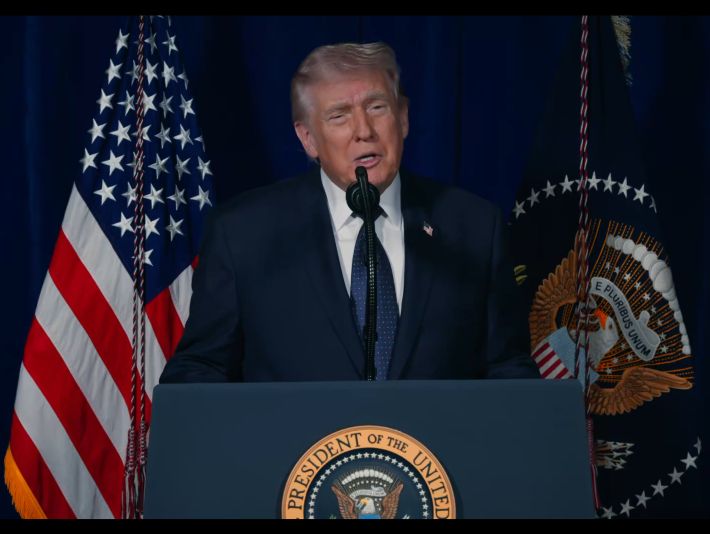
After months of rising tensions, the United States and Iran have reached a memorandum of understanding called the "Islamabad Agreement." This agreement allows for the immediate reopening of the Strait of Hormuz without tolls and provides Iran with relief from sanctions, depending on its compliance. President Trump announced the deal during the G7 summit in France, calling it a major victory for global oil markets.
For India, which relies on imports for over 85% of its crude oil needs, this development has significant implications for energy security, fiscal health, and its strategic role in the Global South. As one of the world's largest energy importers, India depends heavily on oil and gas supplies that pass through the Strait of Hormuz. Any disruption in this narrow maritime corridor quickly translates into higher fuel prices, inflationary pressures, and a larger import bill.
What the deal promises
The memorandum outlines a brief but important list of commitments:
* Strait of Hormuz: Immediate reopening without tolls; shipping levels before the conflict within 30 days.
* Sanctions relief: Temporary 60-day exemptions for oil sales, with the chance for broader relief if Iran shows "good faith."
* Nuclear program: Iran promises not to pursue a nuclear weapon; talks about enriched uranium continue.
* Frozen assets: Billions remain unresolved; the U.S. links incremental releases to compliance.
* Ceasefire: A 60-day period to negotiate a longer settlement.
The speed and extent of the agreement, facilitated by Qatar and Pakistan, surprised many, including some close U.S. allies. Regardless of its flaws, the Islamabad Agreement reduces the risk of shipping disruptions that have threatened India’s energy and trade since hostilities escalated.
Energy shocks do not just appear in economic reports; they impact people's everyday lives. Consider two recent data points: edible oil imports increased by 13% in the first half of 2025-26, and gold imports rose by 24% in FY2025-26. Both are sensitive to prices and connected to energy costs. A stable or decreasing crude price after the reopening of Hormuz would lower input costs for food processing and logistics. This could also relieve pressure on the rupee, which has widened import bills and complicated monetary management.
For common people in India, the effects are clear. Lower global oil prices should cut diesel and transport costs, which affect food and commuting expenses. They may also lessen the state’s power generation costs, which could reduce the subsidies some states provide to keep electricity prices low.
However, the broader geopolitical implications are equally important. New alignments in West Asia will influence trade routes, investment flows, and regional security dynamics. India has cultivated strong relations with the United States, Iran, Israel, and Gulf nations simultaneously, a balancing act that has served its strategic interests well. Preserving that diplomatic flexibility will remain crucial.
Prime minister Modi’s comments at Evian, stating that the Global South cannot bear the burden of war alone, resonate in light of this deal. India’s position is delicate. The Islamabad Agreement presents a diplomatic opportunity: it shows that major powers can de-escalate tensions without sustained conflict. However, Israel’s reported absence from talks and the limited 60-day timeline for sanctions relief highlight that this arrangement is temporary and politically sensitive.
For India, engagement should be thoughtful. There is room to serve as a mediator that supports both sanctions enforcement and humanitarian relief. India should advocate for mechanisms that ensure the Global South gains from any economic recovery in Iran. Doing so would reinforce India’s claim to a leadership role focused on trust, transparency, and practical cooperation.
The deal lessens some immediate risks, such as a reopened Hormuz and temporarily smoother oil supplies, but it introduces new uncertainties. The 60-day timeframe for nuclear discussions creates doubt. Tensions between Israel and Iran may continue outside this agreement. Increased reliance on U.S.-mediated arrangements for maritime security could limit India’s strategic independence while it balances relationships with major powers.
What India should watch and do
• Monitor compliance and markets: Oil prices can shift quickly; India should maintain flexible fuel strategies and procurement plans.
• Strengthen regional diplomacy: India can advocate for clear methods to ensure that any benefits from Iran's economic normalization support broader regional development.
• Prepare for spillovers: Protect diaspora interests and investment ties that may be affected if the deal falters or if regional tensions rise again.
A cautious optimism
The Islamabad Agreement is a fragile diplomatic achievement with real potential for India’s energy security and fiscal stability. Its success will depend on verifiable compliance, consistent sanctions relief, and progress in nuclear negotiations. For policymakers in New Delhi, the immediate focus should be practical: turn any short-term relief in energy costs into sustainable fiscal choices that protect services, stimulate growth, and reduce long-term vulnerability.
If the Global South is to learn anything from this situation, it is this: temporary ceasefires and short-term recoveries are useful, but they must be transformed into enduring economic governance. India’s role as a responsible leader will be evaluated not just by how it embraces peace in Hormuz, but by how it converts that opportunity into real welfare and resilience for its people.
Vani Archana is a research professional specializing in public policy and economic analysis, with focus on international trade and social welfare.