
This collection of short fiction is a good entry point for the uninitiated
GN Bureau | March 18, 2024

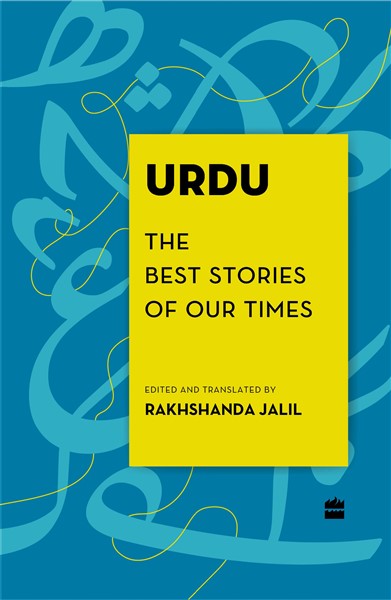
Urdu: The Best Stories of Our Times
Edited and translated by Rakhshanda Jalil
HarperCollins, 200 pages, Rs 399
 Urdu is a jubaan in a class of itself. In strict linguistic analysis, it shares a hyphenated identity with Hindi. Grammatically speaking, the only difference between the two is in lexicon, and yet words make all the difference. Socially speaking, it is altogether another world. Most would think it is the language of a particular community, even if some of the most respected authors now considered to be of Hindi literature wrote in Urdu script.
“Urdu: The Best Stories of Our Times”, edited and translated by Rakhshanda Jalil, showcases and celebrates all these multiples identities of the language. It presents a kaleidoscopic vision of the current literary landscape by bringing together some of the finest contemporary writers of short fiction in this language.
“This is a selection of the finest modern writings from India,” Dr Jalil, also a writer and literary historian, says. “When I began work on this book, I was clear that we mustn’t go by what has been most anthologized assuming that it is, necessarily, the finest – either among the genre of the Urdu short story itself or the oeuvre of a particular writer. No, instead the criteria for a collection such as this is good prose, a range of concerns, divergent points of view that, taken together, reflect the currents that ripple through modern India.”
The volume offers short stories of wide-ranging tones: compassionate, questioning, philosophical, whimsical, tragic, but always thrilling and enchanting in equal measure. They highlight the numerous histories, identities and themes that have been celebrated or challenged in the last few decades. It also seeks to dismantle many stereotypes and offers an exhilarating glimpse into Urdu literature today.
Since perceptions also build a part of the reality and Urdu is identified with (north Indian) Muslim community, some of the more recent stories in this collection help the rest of us look at the world around us from a less appreciated viewpoint as well. Dr Jalil, though, maintains, “Just as Urdu is not the language of India’s Muslims alone, these stories are not about Muslims only; instead, they reflect a mood, an outlook, a catholicity of concerns among Urdu writers.’
A case in point is parable-like “The Stone Age” by Gulzar, which has a universal canvass. But, then, there is also “What Happened on the Ship” by Anwar Qamar, which is closer to the headlines, and what remains hidden behind them.
There have been several ‘best-of’ short fiction collections from regional languages from various publishers, expanding the literary horizons of Indian readers. By definition, any selection is bound to be subjective, and bound to triggers discussions of inclusions and exclusions. In this case, the absence of Naiyer Masud is conspicuous, especially because his work would have added a shade rarely seen in Indian literature.
September 12 marks the International Day for South-South Cooperation, commemorating the 1978 Buenos Aires Plan of Action (BAPA). Forty-eight years later, its central proposition remains relevant: countries of the Global South can draw on their own knowledge, experience and innovations to address shared d
As India prepares to host the 18th BRICS Summit this weekend, and as prime minister Narendra Modi is set to hold a bilateral meet with president Xi Jinping, China’s growing global influence and the changing dynamics of India-China relations will be under focus. But to understand where China is head
This year marks 20 years of BRICS, with India set to host the grouping’s leaders’ summit this weekend. The anniversary offers an opportune moment to assess BRICS’ growing importance at a time when the effectiveness of global governance and the credibility of multilateralism are under in
Triumph of the Indian Republic: My Life, My Struggles By Ram Nath Kovind Rupa Publications, 400 pages, Rs 795 All our presidents so far stand out, each for a different reason. Ram Nath Kovind, the 14th president of India, from 2017 t
Pathbreakers: How 10 Visionary Leaders Transformed India by award-winning journalists By Sucheta Dalal and Debashis Basu Rupa Publications, 304 pages, Rs 695
In a significant gain for citizen protection in the digital economy, the Department of Telecommunications (DoT) has helped prevent suspected cyber fraud losses of more than ₹5,000 crore through its Financial Fraud Risk Indicator (FRI) within fifteen months of its launch on May 22, 2025. This money did











