Jaladhar Sen’s Bangla classic narrates the journey to Badrinath in Uttarakhand in the days before modern transport
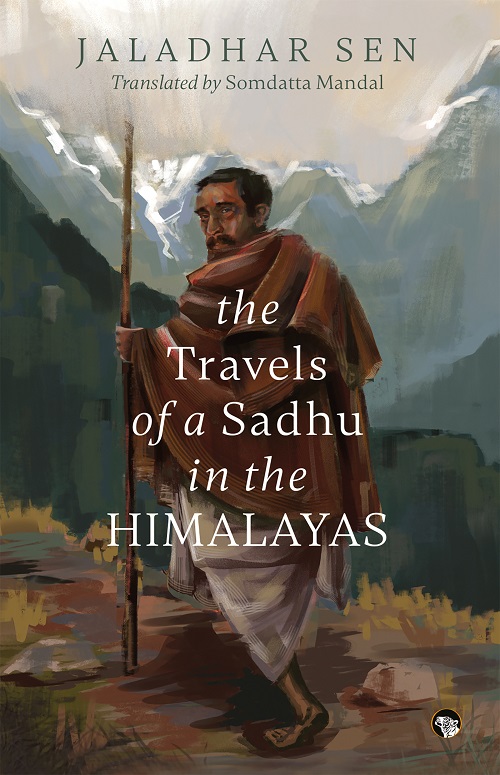
The Travels of a Sadhu in the Himalayas
By Jaladhar Sen (Translated by Somdatta Mandal)
Speaking Tiger Books, 259 pages, ₹499.00
Badrinath or Badrinarayan is one of the four sacred pilgrim spots, the Char Dham circuit, of Uttarakhand. While the journey to the adjacent Kedarnath remains very challenging, Badrinath can easily be reached by road now. For the driver, however, it is no less challenging. Once you leave the last major town on the way, Joshimath, the scene is breathtaking: whether you look at the sharp turns, falling rocks, or the deep valley beyond the edge of the road.
In Kedarnath, the pilgrim can spot the flag of the temple from a distance, and know that the destination is within reach now. Badrinath is not visible till the last moment. A sharp turn at the end of the curving road and the whole town comes into view all of a sudden.
Unlike the Kedarnath temple, which has started attracting sizeable crowds only in recent years, Badrinath has always been a busy pilgrimage centre, given the easy access. Yet, it is difficult to imagine that barely a century ago pilgrims used to travel to these places mostly on foot all the way from Haridwar-Rishikesh. There were no Garhwal Motor Owners Union (GMOU) buses back then.
Jaladhar Sen, a Bengali gentleman settled in Dehradun who had dreamed of visiting ‘Badrikashram’, set out on May 6, 1890. He left behind a life of domesticity and embarked on this adventure across some of India’s most sacred landscapes, from Hrishikesh all the way to Badrinath. Armed with little more than a blanket, a staff, and a book of songs by the renowned Bengali poet and Baul singer Kangal Harinath, he journeyed through perilous mountain passes, snowbound valleys, remote pilgrim towns—seeking not the divine, but solace for a life fractured by loss. In the blank leaves of Kangal Harinath’s songbook, he made notes every day about the progress of the pilgrimage. He had read only a few days earlier John Bunyan’s classic ‘The Pilgrim’s Progress’, and found its spiritual themes echoing in his steps.
Sen’s deeply personal travelogue chronicles the breathtaking beauty of the Himalayas—the roaring Alakananda, the towering peaks of Nara and Narayan, the spiritual might of Shankaracharya’s Joshimath, the bustling markets of Srinagar, and the ethereal stillness of Badrinath—along with a vivid cast of characters—from stoic sadhus, cunning pandas and officious police personnel to ailing young boys, large-hearted villagers, and even fellow Bengali pilgrims. In the shadow of the Himalayas, Sen reflects on the complexities of faith, the hypocrisies of ascetic life, and the profound tenderness of human connection.
With a sadhu and a gentleman in company, he reached Joshimath on May 27. “We observed the marketplace as we walked and found it bustling with activity, offering everything from gold and silver craftsmen to moneylenders. The prevalence of these professions was due to Joshimath being the ‘headquarters’ of the mahanta or head priest of Badrinarayan, who resided here with his disciples.”
When the trio reached the end of the trek on May 29, Sen’s heart was filled with “joy, excitement and a measure of despair”. Not simply elated at the successful completion of the pilgrimage or the wonderful vistas in the backdrop of the temple, he wondered “where was the happiness that yogis and saints savour?”
Sen’s diary was turned into a book in Bangla in 1900, titled simply ‘Himalay’. This curious mix of diary observations and literary flourish captured the imagination of a generation of Bengalis, inspiring them to travel to the mountains of Uttarakhand. Bengalis, along with Gujaratis, far outnumber others among the pilgrims and trekkers in the Garhwal Himalayas. Travel writing of this kind must have added to their expectations.
The travelogue has now been translated into English by Somdatta Mandal, a former professor of English and chairperson at the department of English and other modern European languages, Visva-Bharati, Santiniketan. This version reintroduces Sen’s compelling account to a new audience, highlighting its historical importance and enduring charm as one of the earliest modern Bengali narratives of the Himalayan experience.
If you have made the pilgrimage to Badrinath, Sen’s work will reveal a historical layer to your travel experience. If you have not, it will make you want to leave for the holy dham soon—before the ravages of time change it further.






