To gain desired results of currency ban, a robust implementation of Benami Property Law is required
The Demonetisation, the black money and the benami property, the three vibrant words in the Indian economy, has impacted the life of people across the country. In the fight against black money, prime minister Narendra Modi had already announced that people holding black money and the fictitious assets through unaccounted wealth will be affected. The government notified this with effect from November 01, 2016, the Benami Transactions (Prohibition) Amendment Act, 2016 which was earlier the Benami Transactions (Prohibition) Act, 1988. This Act will cover the movable, immovable, tangible, intangible properties and includes any right and interest in the property. It prohibits illegal Benami transactions, and provides imprisonment up to seven years and fine for the violation of the Act which may extend to 25% of the fair market value of the Benami property.
A Benami transaction is one where a property is held by one person and the amount for it is paid by another. The Benami transaction is done to benefit the person who pays for the property either directly or indirectly. Though the earlier Act provided for imprisonment of up to three years and/or fine for parties entering into a Benami property transaction, the lack of the implementation machinery had made the act unenforceable. Now the government also notified the rules for making the Act operational by appointing investigation authorities and the procedure for confiscation of property, which was earlier never framed. The Act could, therefore, not be implemented. Now, the new Benami Act provides a comprehensive implementation mechanism and if you indulge in such transactions you are sure to be punished. Strict action will be taken if the available evidence confirms that the adjudicating authority (appointed by the Centre) will order confiscation of property.
First, the Real Estate (Regulation and Development) Act, then the Land Acquisition Rehabilitation and Resettlement (Amendment) Bill 2015, now the Benami Transactions Act that are all aimed at making the sector more transparent and profession. The government strategy now comes across clear; it is fortifying the banks with cash and aims at solving the problem of scarcity of land by taking strong action against Benami property as soon as the monetisation drive gets over. The utmost good thing that may happen post the Benami investigations, said to begin in January 2017, is that a lot of land inventory may become available to the government which the union urban development ministry may use to make available the affordable housing plans for the poor.
We also believe that this pro-active government will make the real estate approval process easier and shorter, as a part of its ease of business initiative, as subsequently it will allow the entrance of more foreign entities in the Indian market and more liquidity for the Indian developers who have an established track record.
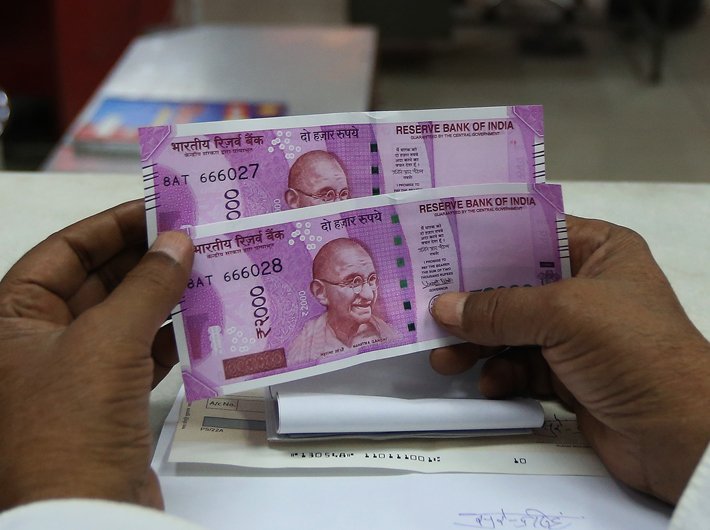
There has been a rise se in the property transactions because of unaccounted wealth. Scrapping currency notes of Rs 500 and Rs 1,000 has rendered 86% of the Indian currency redundant. As lot of black money is not in cash but in the form of gold and properties, therefore unless the demonetisation is complemented with a robust implementation of Benami Property Law and monitoring of gold transactions, the move may not give the desired results.
Check on black money may curb bribes, terrorism funding, gambling, money laundering, narcotics etc.
Lastly, almost 50% of the amount of sale/purchase of immovable property was paid in cash, hence, now with no cash component the real estate would become affordable to the honest tax payers and the income tax collections will go up.
More money with the banks may result in reduction of interest rates, this might provide the boost to the investment activities, creation of employment.
It will reduce inflation in the longer run and can lead to more inclusive growth and develop the concept of a welfare state.
It is a well-intentioned step by the government for more inclusive and equitable growth of the economy in the future. This can be achieved 100% after corrective actions taken for the Benami property Act, Income Declaration Schemes by companies and individuals, whistle blowers Act and prevention of Money Laundering.
Arora is Company Secretary & Compliance Officer at Sri Adhikari Brothers Television Network Limited (SAB Group)