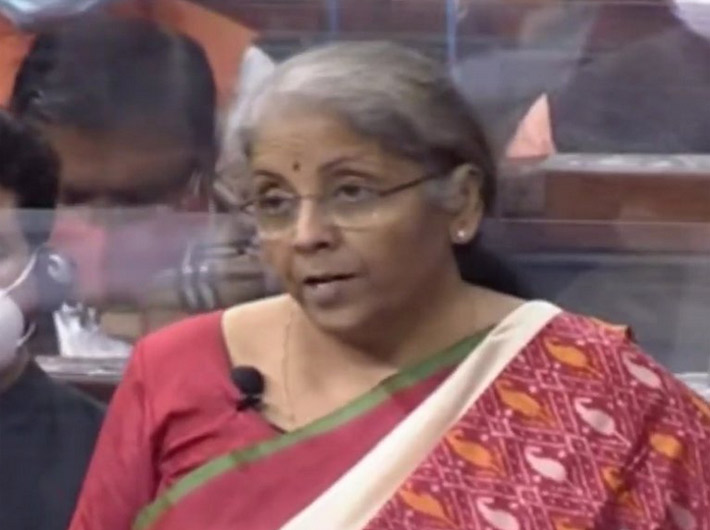
Interim budget underlines the pivotal role of this sector, makes crucial announcements for women and child development
The unveiling of the interim union budget 2024 has underscored significant strides in the healthcare sector, accentuating its pivotal role in the nation’s well-being. With the goal to make India a Viksit Bharat by 2047, increased allocations to Pradhan Mantri Ayushman Bharat Health Infrastructure Mission (PMABHIM) Ayushman Bharat, extension of healthcare coverage to ASHA and Anganwadi workers and the emphasis on vaccination of young girls for cervical cancer are steps towards making affordable and quality healthcare services more accessible for the nation.
Over the years, the focus of the government in the healthcare sector has increased with total budget expenditure increasing from 1.6 percent of GDP in 2021 to 2.1 of GDP in 2023 and the policy aims to increase it to 2.5 percent of GDP by 2025 [see: https://pib.gov.in/PressReleasePage.aspx?PRID=1894902]. Yet, India ranks 6th in the list of 195 countries, much below the BRICS countries; Brazil (43), Russia (47), China (52), South Africa (56) at the global health security index which measures the health-related capabilities of a country. The announcements made in the Interim Budget, however, provide some ray of hope.
Decoding the Health Budget
More hospitals and medical colleges
First and foremost, the government announced its keen interest in increasing the number of medical colleges by utilising the existing hospital infrastructure and the various departments. For this purpose, a committee will be set up to examine the issues and make relevant recommendations. While this move is motivated by the crisis of medical students who were left stranded in mid of their education during Russia – Ukraine conflict, it will also help deal with the issue of lack of sufficient medical practitioners in India [see: https://www.indiatoday.in/india/story/ukraine-returned-medical-students-in-india-no-degree-no-courses-national-medical-commission-2338165-2023-02-22]. At present, we are half of what we should be to service a population of India’s size. According to available data from Statistica, India has 0.9 medical doctors for 1000 inhabitants while US has 2.6 and China has 2.4 medical doctors for 1000 inhabitants. Increasing the number of hospitals will provide a good impetus to employment generation within the sector. For each bed created, there are six-seven jobs that are created. Dr Naresh Trehan, chairman-MD, Medanta, says that even the lowest paying job in the healthcare stream offers a salary of at least Rs 15,000-16,000 which would encourage these healthcare workers to participate more effectively in the economy.
Cervical cancer vaccination
The budget also announced coverage of cervical cancer vaccination for girls in the age group of 9 to 14 age to prevent cervical cancer. A recent report from the World Economic Forum (WEF) states that cervical cancer and breast cancer are amongst the two major health concerns for women in India. Among every one lakh women, 27 women has cervical cancer with a 15.2 mortality rate and India accounts for more than 30 percent of cervical deaths in the world. Dr. Shefali Agarwal from Apollo hospitals has added that not only cervical but creating awareness regarding cancer symptoms and screening procedures may help reduce even breast cancer related deaths in India. India reports more than 10 percent of all breast cancer death worldwide. Given the grim situation, the coverage of cervical vaccines is a welcome move enthralling expectations of more efforts in the field from the upcoming full budget.
Extending healthcare coverage for frontline workers
In the current budget, the government of India has extended the coverage of Ayushman Bharat Scheme to Asha workers, Anganwadi workers and helpers. The Ayushman Bharat Scheme, the largest healthcare scheme in the world - to cover 12 crore families through health insurance was launched in September 2018. The policy aims to provide Rs 5 lakhs to every family for secondary and tertiary health service every year. The successful implementation of the policy by central and state government has already led to a record 30 crores Ayushman Bharat Card generation by January 2024. Inclusion of frontline health workers, who are our real backbone on the ground, will encourage them to feel secure and be forward looking. Next step, however, should be to upskill them as they are an asset for us, according to Dr. Trehan.
The budget also emphasised the efforts to be taken to defeat the prevailing malnutrition among the child by expedition the Saksham Anganwadi and Poshan 2.0 scheme. The upgradation of the scheme shall focus on improved childhood delivery, early childhood care and nutritional development. Furthermore, there has been an announcement to bring all maternal and childcare policy under one comprehensive scheme for synergy in implementation. The government also plans to expedite the Indradhanush mission. The mission was launched in 2014 to achieve at least 90 percent immunisation coverage by 2020. Prime minister Narendra Modi himself has iterated through ‘Mann ki Baat’ the importance of the vaccination of every child. This scheme will help in prevention of communicable and non-communicable diseases in the future. The expeditious rollout of the newly designed U-WIN platform for managing immunization across the country will go a long way in strengthening preventive care measures in the country and spread awareness.
What next?
Overall, the budget has provided well-deserved importance to women and child development with a strong impetus to the healthcare industry. From every angle, creation of healthcare facilities and investment and expansion of healthcare coverage will not only make a healthy India but also help in a robust job-creation and help the economy as we move on. Given the demographic dividend witnessed by the nation, at a time where good quality jobs are not easily available, the interim budget opens new arenas for addressing skill shortages in the healthcare industry and create millions of jobs. Some expectations, however, remain unaddressed. Along with the steps being taken to revamp the healthcare infrastructure, investments are required in advancements of treatments. Mental health, as a significant aspect of the health sector, must be addressed, including awareness programs, counselling and outpatient care. Furthermore, it will be expected that the government may furthermore increase the penetration of healthcare insurance through tax deductions on health care insurance. The other way is to decrease the prevailing GST on health insurance which currently stands at 18 percent.
The authors are assistant professors of economics at School of Management, Bennett University.
Views expressed in this article are personal and not of the organisation.