
Clean energy? Delhi's the worst performer

Capital aside, 22 states have failed to achieve renewable purchase obligation mandated by SERC, reveals Greenpeace report

GN Bureau | April 23, 2013
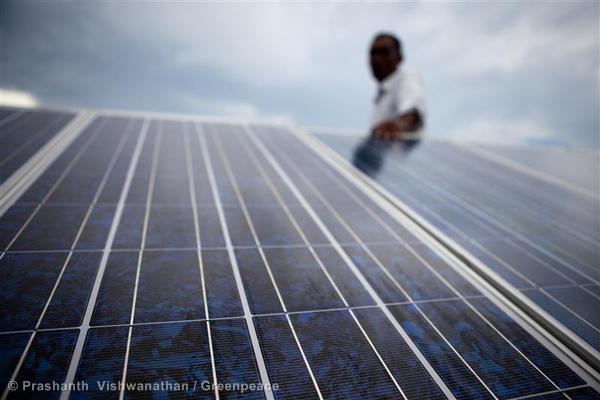


The government’s policy of giving a boost to renewable energy has received a setback in the national capital, as a latest report suggests Delhi is a “laggard” in utilising renewable purchase obligation (RPO).

Besides Delhi, a total of 22 states have failed to implement RPO, which is “an obligation mandated by the state electricity regulatory commission (SERC) under the Act, to purchase minimum level of renewable energy out of the total consumption in the area of a distribution licensee.”

The details emerge from a report released by Greenpeace India titled ‘Moving Ahead with Renewables: Leaders & Laggards’.

The good news, though is six states — Meghalaya, Nagaland, Uttarakhand, Himachal Pradesh, Tamil Nadu and Karnataka — have demonstrated a lead in implementing the policy, according to the report.

“Despite a good potential for solar (energy), the national capital fared amongst the worst with not even one per cent achievement,” it found.

It noted: “Regulators failed to penalise or implement the directives of RPO in Delhi and in other key states like Maharashtra and Punjab, which fell short by about 50 per cent.” It said there was a loss of more than 25 percent electricity — or 18,300 million units — due to non-implementation of the RPO provision properly.

Delhi, Maharashtra, Punjab, Andhra Pradesh and Madhya Pradesh were the worst performing states in terms of implementing RPO targets, it was found.
“RPO mechanism could have been a tool to bridge the demand-supply gap in the energy sector across the country. But the toothless mechanism, combined with unambitious targets, has failed to give any impetus to renewable (energy) in India,” said Abhishek Pratap, senior energy campaigner for Greenpeace India and lead author of the report.

As the national capital, Delhi should have been a trendsetter but, instead, has “set the trend in the reverse direction”, he said.

The overall cumulative targets set by various state regulators is 5.44 per cent, whereas the national target is set at 7 percent, resulting in a deficit of 1.56 percent, which translates into nearly 14,268 million units of electricity from renewable energy projects.

“India’s international position on energy equity needs to be translated within the country as well. Rich states need to take more responsibility on clean energy development to create space for poor states,” Pratap added.

Read the report

Comments


Other News

Doctors, experts call for ban on junk food ads, mandate warning labels

More than 30 doctors, medical scientists and public health professionals have urged the government to take decisive action against the aggressive advertising and marketing of junk food, calling for a watershed ban on advertisements for foods high in fat, sugar and salt (HFSS) and ultra-processed foods (UPF

Asiatic Lion population rises from 523 in 2015 to 891 in 2025

On World Lion Day 2026, environment, forest and climate change Minister  Bhupender Yadav celebrated India’s remarkable journey in lion conservation and reaffirmed the country’s unwavering commitment to protecting wildlife and biodiversity.   In a post on soc

Railways imposed ₹5.13 crore fine for food quality and hygiene violations

Indian Railways serve about 58 crore meals every year on an average. About only 0.0008% food quality related complaints are received on average. Based on complaints during the last three years, appropriate penal actions have been taken by IRCTC. Such actions include imposition of fines amounting to ₹5.13

STHAVAR: Why every Indian built asset needs a permanent digital identity

India has built digital systems for identity, payments, taxation, documents, logistics and public services. State governments, ministries, infrastructure agencies and urban local bodies have also created portals for land records, building permissions, project monitoring, property taxation and municipal s

Saksham Skill census identifies 22,000 job-ready candidates in one Mumbai ward

A first-of-its-kind AI-enabled skill census conducted in Mumbai`s H-West Ward has identified a potential livelihood pipeline of nearly 22,000 candidates, generated over 32,000 provisional job matches while revealing that 71.2 per cent of surveyed homemakers are willing to join the workforce, according to

GI tags: Scaling traditional wealth into global brands

Geographical Indication (GI) tags have emerged as a powerful tool for protecting India`s cultural heritage, while creating economic opportunities for local communities. By linking products to their place of origin, GI tags preserve traditional knowledge, prevent misuse, and enhance consumer trust. They h

Upcoming Conferences


-->

Archives

Current Issue

Opinion

Facebook Twitter Google Plus Linkedin Subscribe Newsletter

Twitter







