
TRAI backs net neutrality, rejects differential pricing

Service providers can provide some content for free or on reduced tariff during “grave emergencies” like Chennai floods

taru

Taru Bhatia | February 8, 2016 | New Delhi


Telecom Regulatory Authority of India (TRAI) on Monday took stand for network neutrality and ruled out any content discrimination on the basis of differential pricing or speed by telecom and internet service provider. 

Exercising its power under section 3 of TRAI Act 1997, the regulator has disallowed content discrimination by service providers under the new regulation called Prohibition of Discriminatory Tariffs for Data Services Regulations, 2016. Content including applications, services and any other data including its end-point information that can be accessed or transmitted over internet, shall be accessed equally by consumers without paying extra or less for some.

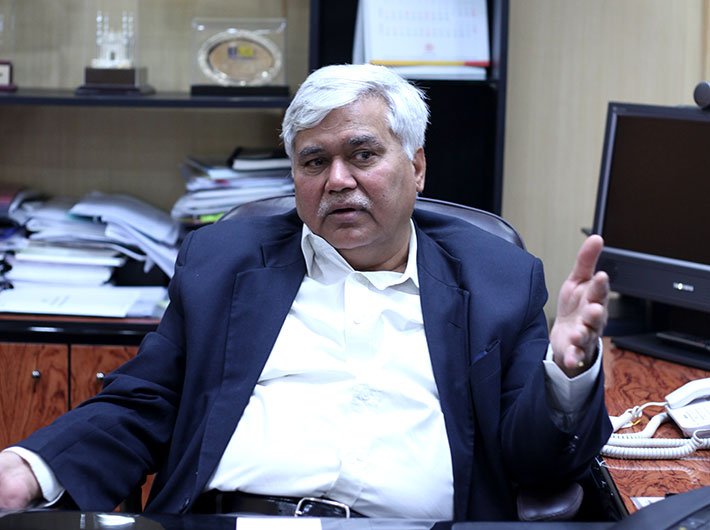
“Everything on internet is subject to regulation,” said TRAI chairman RS Sharma addressing media on Monday.  The clauses in the regulation allow the regulator to intervene in the matter of violation.

TSPs or ISPs failing to fall in the line will be charged Rs 50, 000 a day by TRAI, the chairman said. The penalty can go up to Rs 50 lakh, as per the new regulation.

However, TRAI made an exception in cases of “grave emergencies” for service providers to provide emergency content to its users for free or on reduced tariff. “In situations of grave emergencies like Chennai floods, service providers can provide some content for free of cost or on reduced tariff which will be taken as exceptional cases,” Sharma said, adding that TSPs or ISPs have to notify TRAI within seven days after implementing such services.

Active services under zero-rating plan that come under the definition of differential pricing, a violation of net neutrality, will be allowed to continue until its expiry date, Sharma highlighted, adding that TSPs will be given six-month time to wind-up their services that falls under  zero-rating plan.

TSPs, including Aitel and Reliance Jio, that came up with zero-rating plans in India stirred debate of net neutrality. It was contested by the supporters of net neutrality that zero-rating plan violates internet freedom for users to access all content equally at any network, without paying extra for some. Moreover, the new or small content providers will be throttled by big players which can afford to subsidise its content to users, claims the supporters.

However, telcos, along with Facebook with its Digital Equality campaign, pushed for Free Basics saying such services will allow disconnected population to come on board through free content medium.

The new regulation will be experimented by TRAI to review its development to make necessary amendments in future.


Comments


Other News

AI: Code, Control, Conquer

India today stands at a critical juncture in the area of artificial intelligence. While the country is among the fastest adopters of AI in the world, it remains heavily reliant on technologies developed elsewhere. This paradox, experts warn, cannot persist if India seeks technological sovereignty.

RBI pauses to assess inflation risks, policy transmission

The Reserve Bank of India (RBI) has begun the new fiscal year with a calibrated pause, keeping the repo rate unchanged at 5.25 per cent in its April Monetary Policy Committee (MPC) meeting. The decision, taken unanimously, reflects a shift from aggressive policy action to cautious observation after a signi

New pathways for tourism growth

Traditionally, India’s tourism policy has been based on three main components: the number of visitors, building tourist attractions and providing facilities for tourists. Due to the increase in climate-related issues and environmental destruction that occurred over previous years, policymakers have b

Is the US a superpower anymore?

On April 8, hours after warning that “a whole civilisation will die tonight,” US president Donald Trump, exhibiting his unique style of retreating from high-voltage brinkmanship, announced that he agreed to a two-week ceasefire with Iran. The weekend talks in Islamabad have failed and the futur

Machines communicate, humans connect

There is a moment every event professional knows—the kind that arrives without warning, usually an hour before the curtain rises. Months of meticulous planning are in place. And then comes the call: “We’ll also need a projector. For the slides.”   No email

Why India is entering a ‘stagflation lite’ phase

India’s macroeconomic narrative is quietly shifting—from a rare “Goldilocks” equilibrium of stable growth and contained inflation to a more fragile phase where external shocks are beginning to dominate domestic policy outcomes. The numbers still look reassuring at first glance: GDP


Archives

Current Issue

Opinion

Facebook Twitter Google Plus Linkedin Subscribe Newsletter

Twitter






