
Private sector hiring may look up in next fiscal: ASSOCHAM

Fresh hiring prospects do not look bright maybe, for the two quarters, said a paper

GN Bureau | November 20, 2017

#Labour Ministry   #Jobless Growth   #Employment Exchange   #Unemployment   #Jobs   #ASSOCHAM  
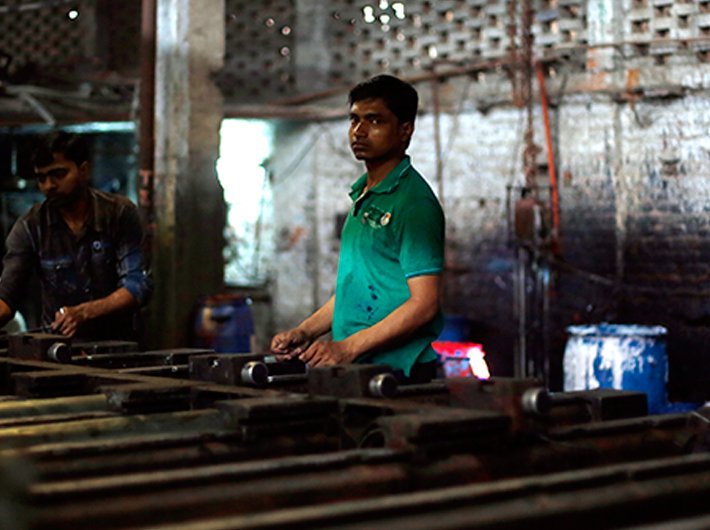
Representational image

The hiring outlook in the private sector is expected to stay muted till beginning of fiscal 2018-19, an ASSOCHAM assessment based on its feedback from members has indicated.

"The focus, right now is how to deleverage, consolidate, exit from non-core businesses and achieve a lean and mean balance sheet. Going forward at least in the next quarter and a half, the corporates would be busy improving their margins and reducing their debt costs, even as the top line growth may take a back seat," said a paper.

READ: 4.83 crore job-seekers registered. Only 3.39 lakh placed.

"Under these circumstance, the fresh hiring prospects do not look bright maybe, for the two quarters; however, things should look up in the next fiscal," said a press note citing the paper. The wage cost control would remain a key area of priority in the short term.  

It noted that most of the churning is taking place in telecom, financials (including private sector banks, non-banking finance companies), Information Technology, realty and infrastructure.  "Significantly, as  the PSU banks would also bring down their employee cost to their operation ratio, post re-capitalisation by the government, the fresh hiring may also come down there as well."

ASSOCHAM secretary general DS Rawat said, "Though the Moody's upgrade has given a sentiment boost, the next two quarters would be challenging for the private sector.  But things would then improve and some of the pain points of the present like high debt, slow consumer demand, should ease from April, 2018. In any case, barring any untoward event, the fiscal 2018-19 would be better than the current financial year.”

In fact, the boom in the stock market, though being triggered by a huge liquidity play, is also reflective of the uptick in the economic growth going forward. The market is at ease even with higher valuations, riding on the hopes of a pickup. The GST related problems should be settled in the next few months, the press note added.

The optimism also stems from India' s sound macro indicators like moderate inflation, stability in foreign exchange, robust foreign exchange reserves and an improving trend line in exports. "However, a thing to watch would be crude oil prices which could be a spoiler if they move up significantly from the present level.”

Some of the issues relating to agriculture like price fluctuations for the crops and farmers' vulnerability are likely to be addressed in the coming Budget with a focus on the rural landscape. 


Comments


Other News

“Indians, yet treated like outsiders”

Moving to Delhi-NCR for education can be an exciting experience for students from Northeast India. It gives us a chance to meet new people, experience a different culture and become more independent. But living away from home also comes with challenges that people who have not experienced them may not al

Import duty on major edible oils cut

The government has reduced the Basic Customs Duty (BCD) on major imported crude edible oils with a view to moderating domestic edible oil prices, providing relief to consumers and mitigating inflationary pressures arising from the sharp increase in international edible oil prices.  

From pyramid to platform: BRICS agenda for Global South

In his opening address at the 18th BRICS Summit in New Delhi on September 12, prime minister Narendra Modi did something India`s diplomacy has been building towards for three years: he moved the ‘Voice of the Global South’ from a slogan to a work plan. Addressing the leaders, he argued that t

How to realise the full transformative potential of PM-JAY

The Pradhan Mantri Jan Arogya Yojana (PM-JAY), a welfare scheme which covers approximately 45 crore beneficiaries across India, provides cashless health cover of Rs. 5 lakh per family per year. It is the largest health insurance scheme which helped crores of poor families by reducing out-of-pocket expend

The missing men in India`s family planning story

Every pregnancy requires two people. Yet India`s family planning programme continues to ask only one of them to bear almost all of its medical consequences. The newly released National Family Health Survey-6 (2023-24) confirms just how entrenched this asymmetry remains: 36.5% of currently married women a

`Development must be judged beyond GDP, with rights and justice at core`

Delivering the IXth Chief Justice M.C. Chagla Memorial Lecture on ‘Human Rights and Sustainable Development Goals’, in Mumbai Friday,  former Chief Justice of India Bhushan R. Gavai questioned whether conventional economic indicators such as gross domestic product (GDP), national income,

Upcoming Conferences


-->

Archives

Current Issue

Opinion

Facebook Twitter Google Plus Linkedin Subscribe Newsletter

Twitter






